Wondering if Albany is the sweet spot between Oakland’s broader price range and Berkeley’s higher entry point? If you are buying your first home in the East Bay, that question is worth slowing down for. Albany can offer a small-city feel, strong outdoor access, and a very recognizable daily rhythm, but it also comes with real competition and a price point that asks you to be clear about your priorities. Let’s dive in.
Why Albany stands out
Albany is a compact city of about 20,000 residents, and that scale shapes daily life in a big way. Instead of feeling spread out, it reads more like a small, corridor-based city where key errands, restaurants, and neighborhood activity cluster in a relatively small footprint.
The city points to Solano Avenue as its pedestrian-friendly main street and San Pablo Avenue as another major commercial corridor. For you as a first-time buyer, that can mean a more village-like feel than you may find in larger nearby cities.
What daily life can feel like
If you want a place where day-to-day routines feel manageable and connected, Albany may check that box. Its layout supports the idea that home life, errands, dining, and outdoor time can all happen within a compact area.
That does not mean Albany feels sleepy or isolated. It means the city tends to deliver a smaller-scale environment with a strong local identity, which can matter a lot if your first home is about lifestyle as much as square footage.
Parks and outdoor access matter here
Albany’s outdoor amenities are not just a nice extra. They are a core part of what living there can look like.
The city highlights Memorial Park, the Ohlone Greenway, Albany Hill, and the Albany Waterfront and Bulb. It also emphasizes Bay Trail access, waterfront views, creeks, and neighborhood parks, which gives the city a strong connection to outdoor movement and open space.
Some of the numbers help explain why this stands out. Albany Hill includes about 39 undeveloped acres, with 28 acres dedicated to open space, and the Albany Waterfront spans about 190 acres overall with roughly 88 acres of publicly owned parkland.
For many first-time buyers, that kind of access can shift the tradeoff equation. If the home itself is smaller, nearby outdoor space can play a bigger role in how livable the city feels.
Housing in Albany is older and smaller
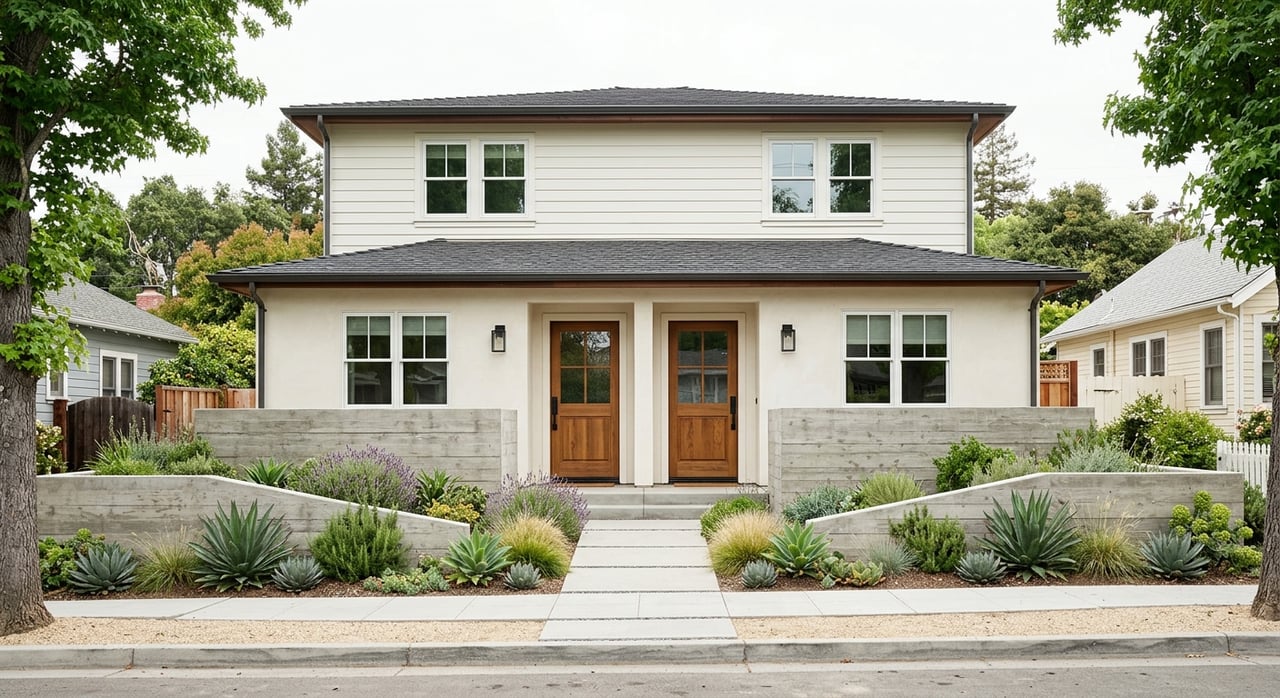
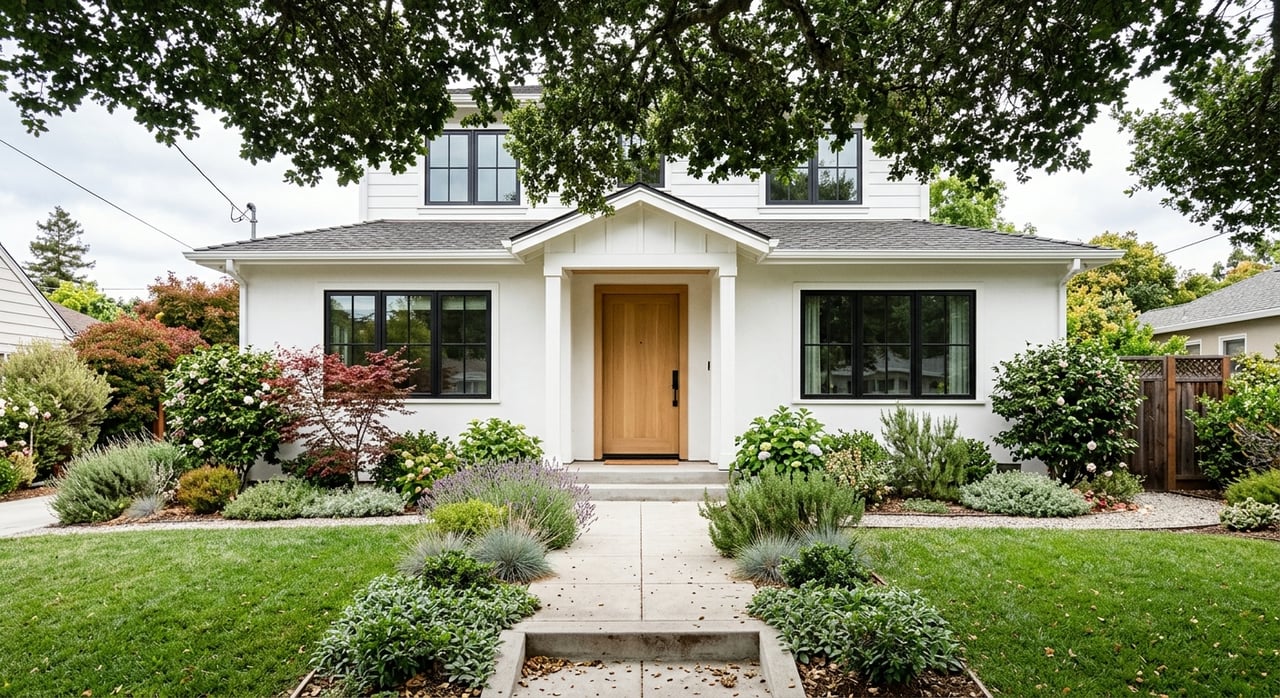
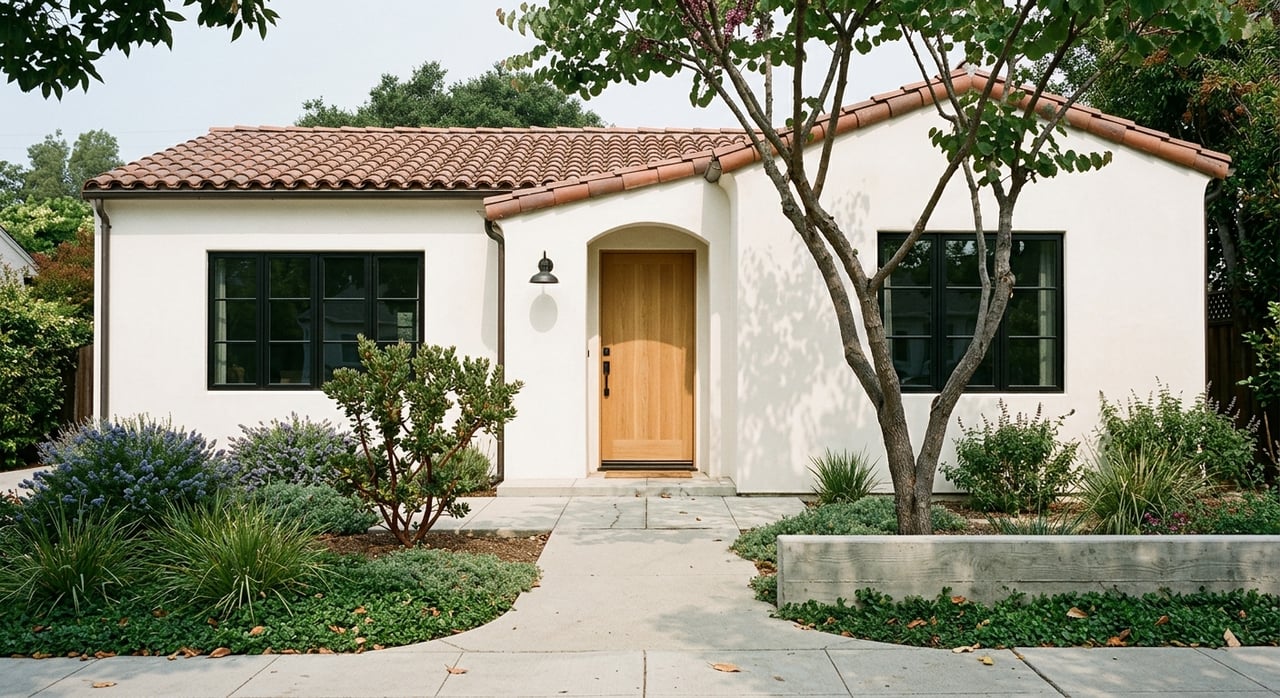
Albany is not the place to expect large new subdivisions or many oversized lots. It is a mature housing market with a long-established mix of modest single-family homes, condos, townhomes, and multifamily buildings.
City planning documents say about 52% of Albany’s housing units are single-family detached homes. The rest are spread across townhomes, smaller multifamily properties, and larger apartment or condo buildings.
More than half of the housing stock was built before 1950, and about 68% of units have two bedrooms or fewer. Fewer than 10% have four bedrooms or more, which tells you a lot about the kind of inventory you are more likely to encounter.
Lot sizes also run smaller than many buyers first imagine. The average single-family residential lot is 4,036 square feet, and more than one-third of lots are under 3,750 square feet.
What that means for a first-time buyer
In practical terms, Albany often fits buyers who are open to older homes, smaller footprints, and tradeoffs that prioritize location and lifestyle. You may find more compact single-family homes, plus meaningful condo and townhome options, rather than large homes on expansive lots.
That can be a good fit if you are looking for an entry point into a city with strong amenities and a clear sense of place. It may be a tougher fit if your top priority is getting the most space possible for your budget.
The city’s planning direction also suggests future housing growth will likely be incremental. Albany highlights infill, mixed-use housing, ADUs, and related small-scale development tools, which points to continued evolution rather than major expansion.
How Albany compares on price
Albany sits in an interesting middle position in the East Bay, but it is important not to confuse “middle” with “easy.” Based on current market data cited in the research report, Albany’s median sale price was $1,267,500 in March 2026.
That puts it below Berkeley at $1,550,000 and above Oakland at $875,000. In dollar terms, Albany was about $392,500 more expensive than Oakland and about $282,500 less expensive than Berkeley.
Price per square foot tells a similar story. Albany came in at $910 per square foot, compared with $579 in Oakland and $989 in Berkeley.
So if you are comparing Albany with nearby options, the key idea is this: Albany is not a bargain version of Berkeley, and it is not close to Oakland on pricing. It lives in its own tier.
Competition is real
If you are a first-time buyer, the competition level matters just as much as the median price. Albany is a highly competitive market.
The research report cites Albany at a 98 out of 100 competition rating, with homes averaging about 7 offers and around 13 days on market. It also notes that homes average about 23% above list price.
That puts Albany very close to Berkeley in terms of intensity, even though Berkeley’s prices run higher. Oakland is still competitive, but the report shows it as less aggressive, with a lower competition rating and homes averaging closer to 11% above list.
This is where a clear plan matters. If Albany is on your shortlist, you want to be realistic from the start about pace, pricing, and the need to make thoughtful decisions quickly.
Transit and commute reality
Albany has strong regional access, but it does not have its own BART station. That is an important detail if transit is high on your list.
The city’s general plan says Albany is about one-quarter mile from El Cerrito Plaza Station and just over one-half mile from North Berkeley Station. The city also notes that AC Transit bus lines and nearby BART access connect residents to San Francisco, Richmond, Berkeley, Oakland, and beyond.
Solano Avenue is part of that story too. According to the city’s Solano Avenue study, AC Transit’s G bus runs transbay to San Francisco during peak periods, and the 18 bus connects Albany with Berkeley and Oakland, running every 12 to 30 minutes throughout the day.
If you are comparing Albany with Berkeley or Oakland, the tradeoff is fairly straightforward. Albany offers good access, but fewer in-city station choices than those larger neighboring cities.
When Albany makes sense
Albany may be the right fit for your first East Bay home if you are looking for:
- A compact city with a recognizable main street feel
- Strong access to parks, trails, and waterfront open space
- A smaller-scale environment than Oakland
- A price point below Berkeley, while staying close to many of the same regional advantages
- Housing options that include smaller single-family homes, condos, and townhomes
This can be an especially good match if your goal is not simply to maximize square footage. For some buyers, the bigger win is a city that feels easy to navigate and pleasant to live in day to day.
When Albany may not be the best fit
Albany may be less likely to fit if your top priority is stretching your budget as far as possible. Oakland may offer a lower entry price and broader inventory if cost and selection are driving your search.
It may also be less ideal if you want multiple BART stations within the city itself or a wider range of urban transit choices. In that case, Berkeley or Oakland may line up more closely with your commute preferences.
And if you need a larger home, more bedrooms, or a bigger lot right away, Albany’s housing stock may feel limiting. The city’s inventory trends lean older, smaller, and more compact.
A simple way to decide
Here is the core question to ask yourself: is Albany’s price premium over Oakland worth it to you for the city’s scale, parks, corridor-based amenities, and proximity to transit?
If your answer is yes, Albany can be a very compelling first-home market. If your answer is no, that does not mean Albany is not appealing. It just means another East Bay city may match your budget and priorities more closely.
The right first home is rarely about one headline number. It is about how your budget, daily routine, commute, and lifestyle fit together in a way that feels sustainable.
If you want help sorting through Albany versus Oakland or Berkeley, Spencer Mills can help you build a clear plan for your next move in the East Bay.
FAQs
Is Albany, CA more affordable than Berkeley for first-time buyers?
- Based on the research report, Albany’s median sale price was $1,267,500 in March 2026, compared with $1,550,000 in Berkeley, so Albany was less expensive than Berkeley but still highly competitive.
Is Albany, CA more expensive than Oakland for a first home?
- Yes. The research report shows Albany with a median sale price of $1,267,500 versus $875,000 in Oakland, which means Albany was about $392,500 more expensive.
What kind of homes can first-time buyers expect in Albany, CA?
- Albany’s housing stock tends to be older and smaller, with about 52% single-family detached homes and a meaningful mix of condos, townhomes, and multifamily housing. More than half of the homes were built before 1950.
Does Albany, CA have good park access?
- Yes. The city highlights Memorial Park, Ohlone Greenway, Albany Hill, the Albany Waterfront and Bulb, Bay Trail access, and neighborhood parks as major parts of local life.
Does Albany, CA have its own BART station?
- No. Albany does not have its own BART station, but the city is close to El Cerrito Plaza Station and North Berkeley Station, and it also has AC Transit service along key corridors like Solano Avenue.