Thinking about trading Oakland’s flatter streets for a home in the Hills? It can be a great lifestyle move, but it also comes with a different set of day-to-day realities. If you are considering a move to 94611 or nearby hillside areas, this guide will help you think through layout, access, maintenance, and budgeting so you can make a smart, confident plan. Let’s dive in.
Why Hillside Living Feels Different
A move from the flats to the Oakland Hills is not just a change of address. It is often a shift in how the home sits on the land, how you move through the property, and what ownership asks of you over time.
Oakland’s planning and fire guidance describe the hills as a steep Wildland-Urban Interface with limited accessibility in some areas, especially during hot, dry, windy parts of the year. That means buyers should think beyond square footage and finishes and pay close attention to slope, parking, vegetation, and access.
Expect a More Vertical Home
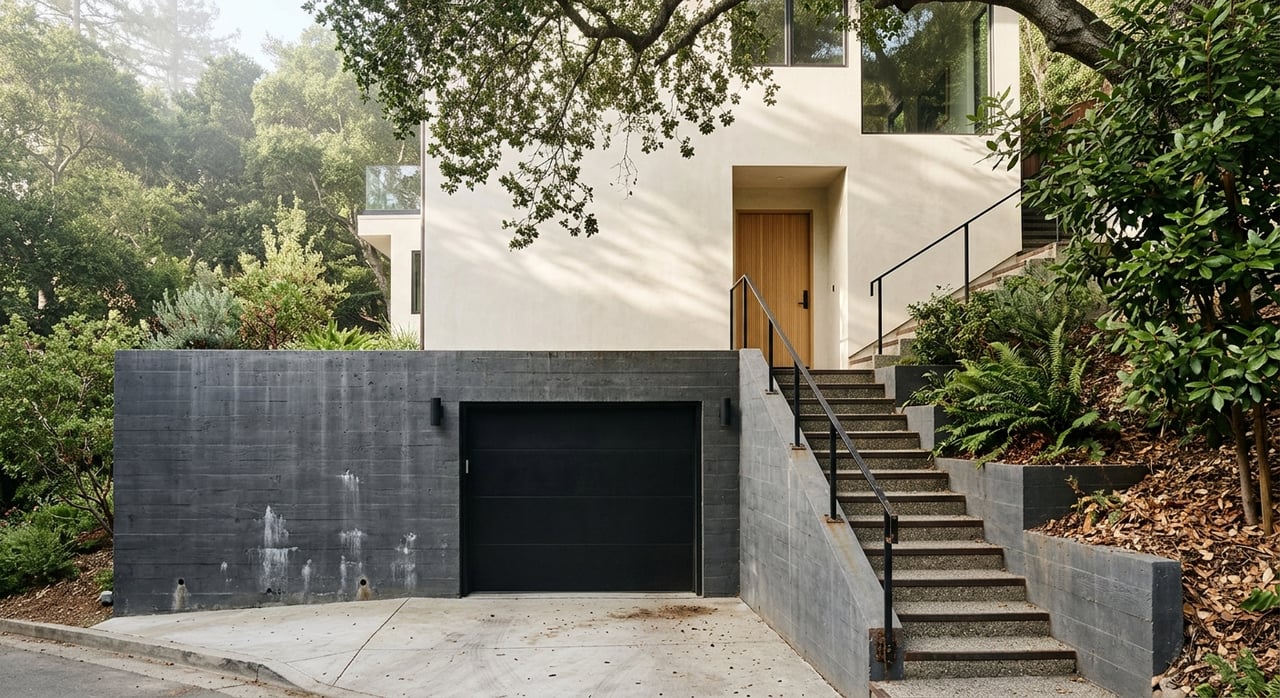
Many hillside homes in Oakland feel more vertical and terrain-responsive than homes in the flats. City hillside design standards point to stepped building forms and lower-side garages or driveways on steeper cross-slope lots, which helps explain why these homes often have multiple levels and more stairs.
In practical terms, that can mean your front door, parking area, and main living spaces may not all sit on the same plane. A house may offer great separation of space and strong outlooks, but it may also ask more of you every day in terms of stairs and circulation.
Layout Matters More Than You Think
When you tour homes in the Hills, pay attention to how the property actually lives. Count the stairs from the street or garage to the entry, then from the entry to the kitchen, bedrooms, and outdoor areas.
A home can look ideal online and still feel challenging in real life if the daily path is awkward. This matters even more if you are moving up from a flatter neighborhood where access has been simple and intuitive.
Site Changes Often Need Permits
If you are already thinking about adding a deck, reworking a driveway, or building retaining walls, go in with open eyes. Oakland requires permits for retaining walls and grading, and some projects may also need Planning approval or Design Review.
The same is true for many stairs, railings, and deck projects. Hillside improvements often involve more city review than buyers expect, so it is smart to treat future project costs and timelines as part of your purchase decision.
Parking and Street Access Deserve a Close Look
In the Hills, parking is not just a convenience issue. Oakland created a Hills Fire Safety Parking Project because parked cars on narrow streets can block emergency vehicles, and the city notes that many hills streets do not meet current minimum width standards.
That makes block-level observation essential. Two homes in the same general area can feel very different depending on street width, turning radius, guest parking, and how neighbors typically use curb space.
Preview the Block, Not Just the House
A strong showing strategy in the Hills includes studying the street under real conditions. Visit during the day, after dark, and at a time when people are actually home.
You want to know whether your car fits comfortably, whether guests will have practical options, and whether the street still feels manageable when vehicles line both sides. Oakland’s own safety documents make clear that narrow street access is one of the key realities of hillside living.
The Outdoor Lifestyle Is a Real Benefit
One of the biggest draws of 94611 is access to open space and trails. Sibley Volcanic Regional Preserve has its main staging area in Oakland’s 94611 ZIP code at 6800 Skyline Boulevard, and the East Bay Skyline Trail runs through Sibley, Huckleberry, Redwood, and onward to Anthony Chabot.
Redwood Regional Park is also known as a nearby natural escape just a few miles over the ridge from downtown Oakland. For many buyers, this kind of trail access is a major reason to make the move.
Microclimates Can Change Block to Block
The Hills can also feel different from one pocket to the next. Oakland’s planning documents describe the city in terms of ridges and canyons, and fog patterns can vary depending on shelter and proximity to water.
That does not mean every property has a dramatic climate shift, but it does mean you should test a home at different times of day and in different weather. A sunny afternoon showing may not tell you how the property feels on a cool morning or a foggier evening.
Wildfire Readiness Is Part of Ownership
Oakland treats the Hills as a high-risk fire environment. The city describes the Wildland-Urban Interface Fire Area as having steep terrain, hot and dry summer and fall seasons, high winds, and limited accessibility for emergency responders.
That is not background information. It is part of the ownership picture, and it should shape how you evaluate a property before you buy.
Defensible Space Is Ongoing Work
Oakland’s current vegetation standards require at least 30 feet of defensible space in Zone 1 and up to 100 feet in Zone 2 depending on slope. The city inspects around 26,000 parcels annually in the wildfire district, so this is a regular, active compliance environment.
If you are moving from the flats, this may be one of the biggest mindset shifts. Yard care in the Hills is not only about appearance. It is also about ongoing vegetation management and fire safety.
Home Hardening Counts Too
Oakland says embers are the most common way homes ignite in wildfire. That is why the city recommends attention to areas like decks, fences, gutters, vents, and the first five feet around the home.
For buyers, the takeaway is simple: a hillside home may require more regular exterior upkeep than a similar-sized home in a flatter area. Even if the interior feels turnkey, the outside systems and materials still deserve close review.
Drainage and Slope Maintenance Matter
Wildfire is not the only hillside issue to understand. Oakland also warns that prolonged rainfall can saturate soil and contribute to landslides, and that impervious surfaces on steep hills can increase runoff and destabilize slopes.
This is why drainage should be part of every serious showing conversation. You want to understand where water goes, how runoff is handled, and whether stormwater is being directed away from the top of slopes and neighboring property.
Ask About Walls, Water, and Wear
Retaining walls, drainage paths, and signs of erosion are not small details in a hillside purchase. They are core ownership issues that can affect both safety and future project costs.
If you see visible retaining walls from the street or adjacent lots, or you notice complex hardscaping on a steep site, treat that as a cue to ask more questions. In Oakland, these features often intersect with permitting and review requirements.
Budget Beyond the Purchase Price
A move to the Hills often calls for a wider budget lens. In addition to the home price itself, you may need to account for future costs tied to retaining walls, grading, drainage, stairs, decks, and vegetation management.
Oakland’s permit system is a good reminder that hillside projects can involve more than one city department. The One-Stop Permit Center combines Planning and Building, Fire, and Transportation services, which reflects how interconnected these issues can be.
Build a Realistic Hillside Budget
As you compare homes, consider setting aside room for:
- Vegetation management and defensible space upkeep
- Drainage improvements or maintenance
- Stair, railing, or deck work
- Retaining wall evaluation or repair
- Driveway or access adjustments where feasible
- Permit and plan review costs for future projects
This does not mean every home will need major work. It does mean the Hills reward buyers who plan ahead instead of budgeting only for cosmetic updates.
Smart Questions to Ask Before You Buy
In a hillside search, the best questions are often the most practical ones. They help you understand how the property functions, not just how it looks.
Here are a few worth asking early:
- Is the parcel in Oakland’s WUI Fire Area?
- How steep is the lot?
- How many stairs are there from parking to entry and main living spaces?
- Are there retaining walls visible from the street or neighboring lots?
- Where does stormwater go during heavy rain?
- Can emergency vehicles and guest cars access the street safely?
- What exterior maintenance does the site appear to require?
These questions line up closely with the issues Oakland highlights in its wildfire, parking, grading, and permit guidance. They can help you compare homes more clearly and avoid surprises later.
A Better Showing Strategy for the Hills
If you are serious about moving from the flats to the Hills, do not rely on a single quick tour. A better approach is to revisit promising homes under different conditions and build your own real-world test.
Try the errands loop. Drive the route you would actually take, park where you would normally park, walk the stairs, and notice how the property feels when you arrive tired, carrying groceries, or coming home after dark.
That kind of preview gives you better information than a polished open house alone. It also helps you make decisions with more confidence and less guesswork.
If you want help weighing the tradeoffs between access, views, layout, and long-term upkeep, Spencer Mills can help you build a clear plan for your next move in the East Bay.
FAQs
What should buyers expect when moving from Oakland flats to the Hills?
- Buyers should expect more terrain-driven home layouts, more stairs, closer attention to parking and street access, and more ongoing exterior maintenance tied to slope, drainage, and wildfire readiness.
What should buyers in Oakland 94611 ask about a hillside property?
- Buyers in 94611 should ask about WUI Fire Area status, lot steepness, parking access, stair count, retaining walls, drainage patterns, and any future improvement plans that may require permits or review.
Why is parking such a big issue in the Oakland Hills?
- Parking matters because some hills streets are narrow, and Oakland has said parked cars can block emergency vehicles in areas that already have limited access.
What wildfire maintenance is common for Oakland Hills homes?
- Common wildfire-related maintenance includes managing defensible space, maintaining vegetation, and paying attention to vulnerable areas like decks, fences, gutters, vents, and the area closest to the home.
Why should buyers revisit an Oakland Hills home more than once?
- Buyers should revisit because street access, parking, weather, light, and microclimate can feel very different depending on the time of day and conditions, and those factors have a real impact on daily life in the Hills.