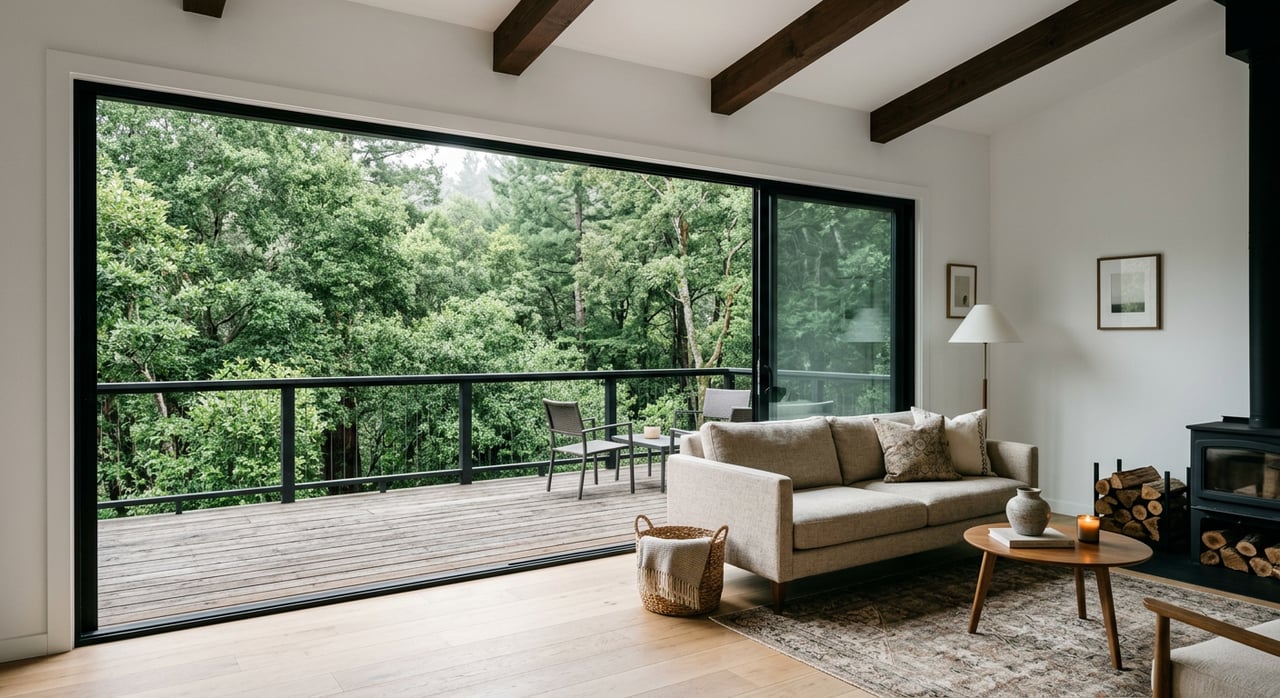
If you have spent time in the Oakland Hills, you know two homes three blocks apart can feel like different worlds. One might have a sweeping bay view and a driveway you will think about every time it rains. Another could be tucked into a calm, tree-filled canyon with perfect morning light and a dozen steps to the front door. If you are thinking about buying or selling in 94611, those hillside quirks are not side notes. They drive price, pace, and require extensive due diligence to protect you in a purchase. In this guide, you will learn how the hills market actually works, what buyers pay for, and how to navigate risk with a plan. Let’s dive in.
How 94611 differs from the flats
The 94611 market sits above overall Oakland medians and is typically competitive, with recent public snapshots in early 2026 showing a median sale price near $1.19 million and shorter days on market. The area leans heavily toward single-family homes, many of them architect-driven and set on larger hillside lots. You will see period revival styles from the 1920s and 1930s, mid-century designs, and custom remodels. The primary neighborhood hub is Montclair Village, which anchors daily errands and dining for many hill residents.
Compared with nearby flatland neighborhoods, the hills often command a premium for views, privacy, and lot elevation. At the same time, the buyer pool narrows for steep or hard-to-access properties with limited parking or long stairs. These tradeoffs show up in pricing, in buyer turnout, and in the kind of preparation both sides need to close smoothly.
What buyers pay for in the hills
View premiums, defined
A view is a real amenity with a measurable impact on value. Research shows that view quality and type matter, with water and skyline views often commanding the strongest premiums and mountain or valley outlooks still positive but more modest. If you want a deeper dive on how analysts measure this, see the technical pricing work summarized in “Pricing Residential Amenities: The Value of a View”. In practice, agents and appraisers look for paired sales on the same street, block, or neighborhood to support a specific premium.
Think of view quality in bands. A partial or peekaboo view can support an adjustment, but it is smaller and easier to lose to new landscaping. A good, framed view from main living spaces is stronger. A panoramic or iconic skyline view is rare and tends to be more durable. Always confirm how permanent a view may be by checking nearby buildable lots and height limits before you pay up for it.
Orientation and livability
Light, exposure, and outdoor usability often matter as much as the view itself. A deck that captures sunset, large picture windows in the main living areas, and wind-sheltered outdoor zones can push value higher. Because topography creates sharp microclimates in the East Bay, it helps to test homes at different times of day and even in different weather patterns. Tools like this Bay Area fog tracker show how quickly conditions can change across short distances.
Lot and structure factors
Slope, retaining walls, drainage history, and access to structural areas all show up in pricing adjustments. Multi-level floor plans can be great for views, but they can complicate inspections and maintenance. Appraisers tend to be conservative about premiums that are not backed by recent local sales, so if you are buying with financing, expect scrutiny on big adjustments. If you are selling, support your claims with tight comps and documentation.
Microclimate, access, and daily life
Sun, fog, and wind
Hilltops and some lee slopes often sit above the morning marine layer, while west-facing ridges and canyon mouths can catch fog and wind. That means a home that feels bright and warm at 10 a.m. might feel different at 4 p.m. Walk the property at different times, notice how outdoor spaces feel, and pay attention to where the sun actually lands. This is lifestyle, but it is also value.
Streets, parking, and egress
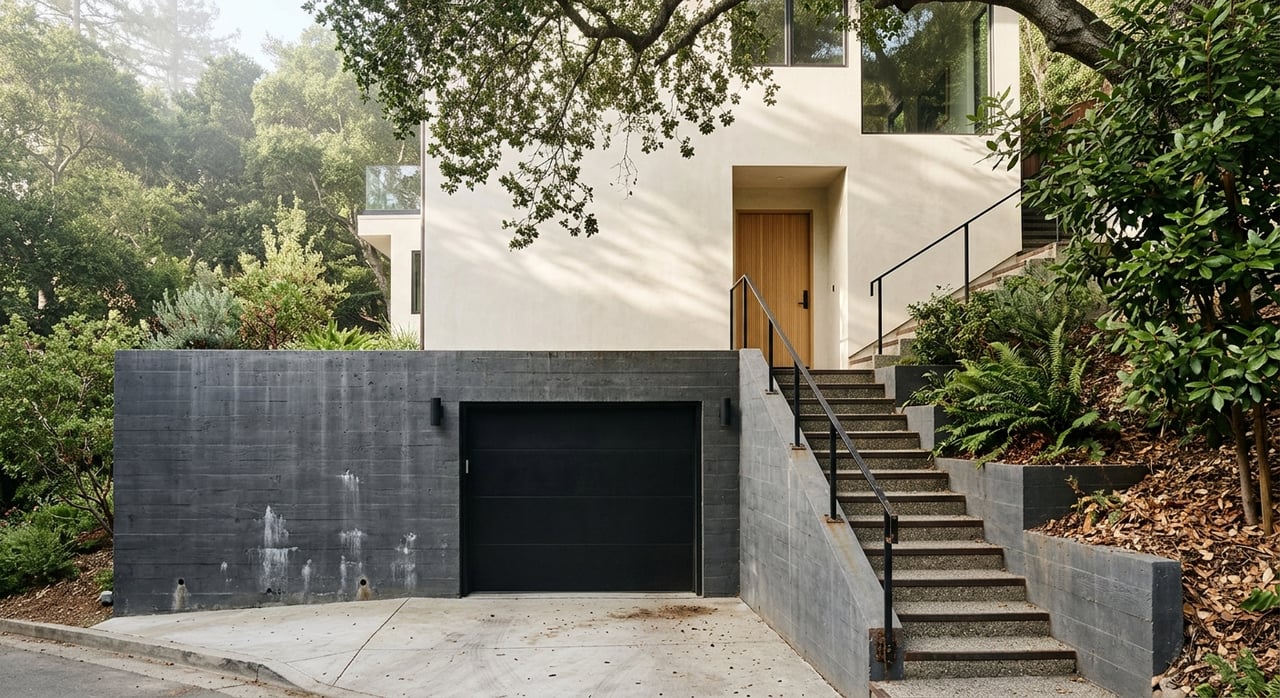
Hillside streets are often narrow, winding, and steep. On-street parking can be tight and can affect emergency access. Local policy conversations have highlighted evacuation capacity concerns on narrow roads, including past debates about adding more units in high-fire areas. For context, see Oaklandside’s coverage of how access and safety shape hills planning. When you tour, consider how daily driving, guest parking, and emergency egress would actually work for you.
Risk, insurance, and permits
Earthquake and slope stability
The Hayward Fault is a primary regional seismic hazard, and steep terrain increases the chance of ground failure and landslides during strong shaking. The USGS HayWired scenario is a good primer on what that means for the East Bay. For any steep lot, a site-specific geotechnical review is wise, especially before major alterations. Foundations, retaining walls, and drainage should be evaluated by qualified inspectors.
Wildfire hazard and insurance
State fire-hazard maps were updated in 2024 and 2025, with categories such as Moderate, High, and Very High shaping local rules and awareness. Local reporting noted map changes in Berkeley and Oakland and reminded readers that insurers use their own models when underwriting coverage. Read this overview of the new maps to understand the landscape. Also note that Oakland has been investing in fuels reduction and roadway clearance through its Vegetation Management Plan and a parcel tax, Measure MM. For a local snapshot of that work, see the Oakland Fire Department’s 2024 Annual Report.
The takeaway for you: get insurance quotes early. Factor likely premiums and availability into your budget, and confirm any wildfire-related requirements tied to the property.
Permits and renovation cost reality
Hillside work often requires more than a standard remodel plan. Grading, retaining walls, and significant additions typically need geotechnical studies, engineered drawings, and specialty contractors. Timelines run longer, and costs are higher per square foot than on flat lots. If you are a buyer, budget with a cushion. If you are a seller, compile permits, plans, warranties, and contractor records up front to reduce friction during escrow.
Pricing and negotiation dynamics
- Desirable view homes can draw quick offers. Expect strong initial interest and, at times, short contingency windows.
- Appraisals can re-introduce price risk if premiums are not well supported. Appraisers often trim unproven adjustments. For a practical look at how appraisers assess value and documentation, review this guide on how appraisals work.
- If you are paying for a view, ask for proof. If you are charging for a view, defend it with tight comps, time-stamped photos, and evidence that the view is likely to remain.
Due-diligence checklist for 94611 buyers
- Disclosures and legal forms. Review the Transfer Disclosure Statement and the Natural Hazard Disclosure. These are required under California Civil Code, and the NHD will flag statewide hazard zones like fire and seismic. You can read the statutory template in Civil Code 1102.6.
- Inspections. Order a full home inspection, plus targeted structural evaluations for foundations, retaining walls, drainage, and decks. On steep lots or where prior slope work is noted, add a geotechnical review.
- Appraisal strategy. If you are financing, help your appraiser by assembling a comps packet and documenting view quality. Include paired sales and any zoning or height-limit notes that affect view permanence.
- Insurance and utilities. Get homeowner and wildfire-oriented quotes early. Confirm water pressure and access reliability, and check any vegetation-management requirements that create ongoing obligations.
- Permits and history. Ask for records on retaining walls, slope repairs, drainage improvements, and major foundation work. Gaps or unpermitted work are red flags.
For sellers: prep that pays in the hills
- Pre-list inspections. If your lot is steep or you have past slope or retaining work, consider a targeted structural or geotechnical report before you go to market. It builds buyer confidence and can shorten contingencies.
- Defensible space. Document recent vegetation maintenance and compliance with local programs. Clear, dated photos and invoices help.
- View documentation. Collect time-stamped photos from multiple hours and seasons. Note nearby buildability and provide any relevant zoning or height data.
- Parking and access. If your street is narrow, be clear about parking options and garage dimensions. Buyers value clarity.
- Organized disclosure package. Deliver a complete set of disclosures and permits on day one. In a competitive market, preparation is a differentiator.
Common tradeoffs to consider
- Big view vs. easy access. A dramatic skyline view might come with a steep driveway or many stairs. Decide how much daily friction you can accept for that view premium.
- Higher elevation sun vs. canyon shelter. Hilltops often get more direct sun and clearer mornings, while canyons can be calmer in wind. Walk the property at different times and in different weather.
- Mid-century character vs. newer systems. Many mid-century hillside homes offer great bones and decks that capture views, but updates to foundations, drainage, and windows can be significant. A newer home may trade some character for modern systems and easier maintenance.
- Proximity to village vs. extra privacy. Living closer to Montclair Village usually means shorter drives to daily needs. Higher or deeper in the hills often means more privacy and, sometimes, more weather variability.
Bottom line
The Oakland Hills reward preparation. Views, light, and privacy are real value drivers, and so are slope stability, access, and insurance reality. If you go in with a plan, you can capture the upside and avoid the costly surprises that derail deals. If you are selling, strong documentation and pre-list work can help you defend price and reduce friction. If you are buying, focused due diligence and a disciplined offer strategy protect you in a fast market.
When you are ready to talk through options, from comps to inspection strategy, reach out to Spencer Mills. Together, we will build a clear plan for your next move in the East Bay.
FAQs
What is the current price climate in 94611?
- Public MLS aggregators characterized 94611 as very competitive in early 2026, with a median sale price near $1.19 million and relatively short days on market. Individual prices vary widely based on view, access, and condition.
How can I tell if a view is worth a premium?
- Document quality and permanence. Compare paired sales on the same street, confirm nearby buildability and height limits, and capture time-stamped photos. Expect appraisers to discount premiums that lack local evidence.
Which inspections are must-haves for hillside homes?
- Start with a full home inspection, then add structural evaluations for foundations, retaining walls, drainage, and decks. On steep lots or where past slope work exists, pursue a geotechnical review.
How do wildfire hazard maps affect insurance?
- The state maps reflect hazard, while insurers use their own models to set terms and pricing. Get quotes early and factor likely premiums into your budget. Check local vegetation-management obligations for ongoing costs.
Are accessory dwelling units feasible in the Oakland Hills?
- Feasibility depends on site conditions and local rules tied to access and fire safety. Narrow, steep streets and evacuation capacity affect approvals. Verify with the city and evaluate practical access and parking before you plan an ADU.