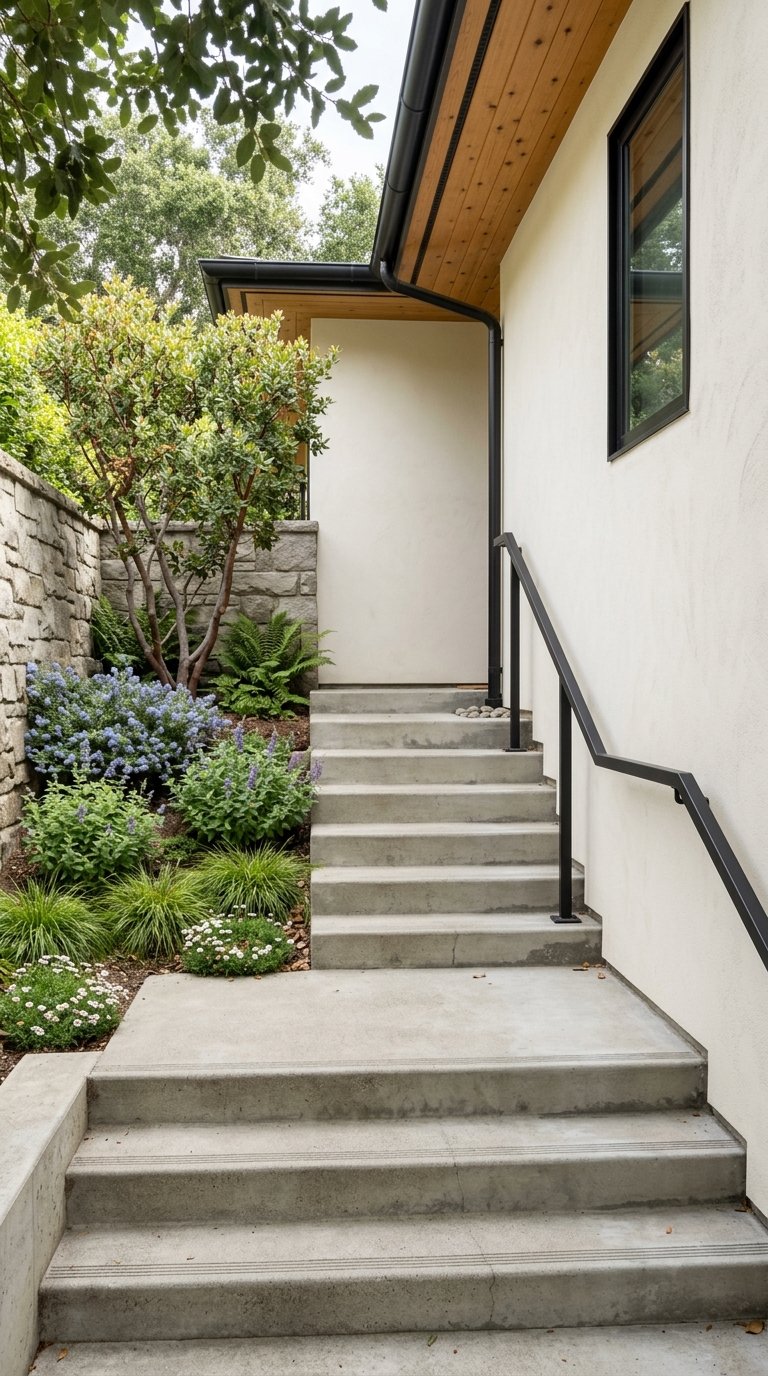
Thinking about buying in Kensington? A hillside address can offer charm, views, and a true East Bay feel, but it also comes with practical questions that are easy to miss if you have only shopped flatter neighborhoods. If you are trying to figure out whether Kensington is the right fit, this guide will help you understand how the area works, what daily life can feel like, and what to look closely at before you write an offer. Let’s dive in.
Where Kensington Sits
Kensington is a small unincorporated community in Contra Costa County, tucked into the Berkeley Hills between El Cerrito and Berkeley. According to the U.S. Census QuickFacts, the community had 5,428 residents in 2020, and local service planning describes it as roughly one square mile with about 2,187 parcels.
That small footprint matters when you are house hunting. Kensington is largely built out, and the local service plan says land use is primarily residential, with only two small commercial areas plus open space and institutional uses. In practical terms, this is not a place with big waves of new development. Inventory tends to be limited, and each home can feel very case-by-case.
Because Kensington is unincorporated, local services are managed through county and special district structures rather than a standalone city government. Contra Costa County’s Kensington overview is a useful reminder that buying here is not only about the house. It is also about understanding local planning, district services, fire protection, and road conditions.
What Homes Tend to Look Like
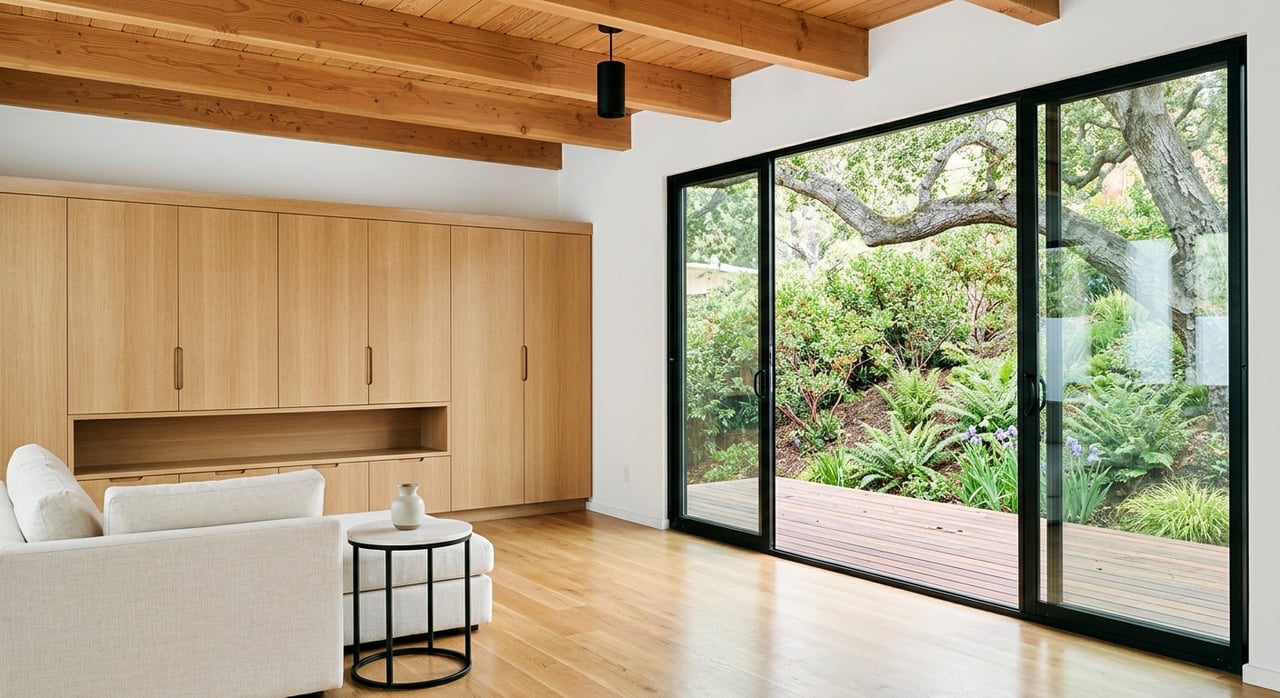
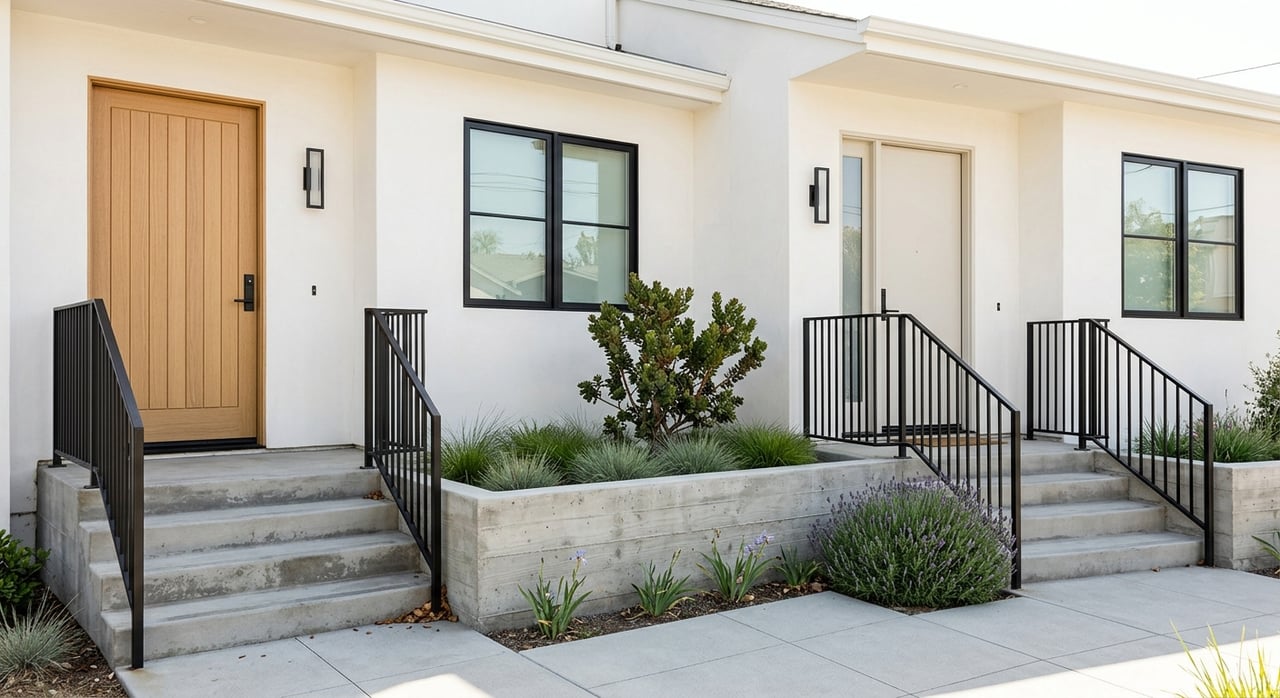
Kensington is mostly a single-family residential market, and the housing stock reflects that. Neighborhood descriptions often point to Colonials, Tudors, Spanish-style homes, Spanish Revival properties, plus some Mid-Century Modern and contemporary homes, and the local service plan supports the broader point that this is a built-out neighborhood of individual homes rather than large new subdivisions.
That usually means you are not just choosing a floor plan. You are choosing a particular lot, a specific street, and a very specific hillside setting. Orientation, slope, privacy, condition, and how a home sits on its site can matter just as much as bedroom count or square footage.
This is one reason Kensington can reward careful, in-person comparison. Two homes that look similar on paper may live very differently once you consider driveway access, stairs, outdoor space, or sun exposure.
Hillside Living Changes the Decision
The biggest adjustment for many buyers is topography. The local Kensington Community Services District plan for services describes the area as steep, with canyons, swales, and many narrow roads.
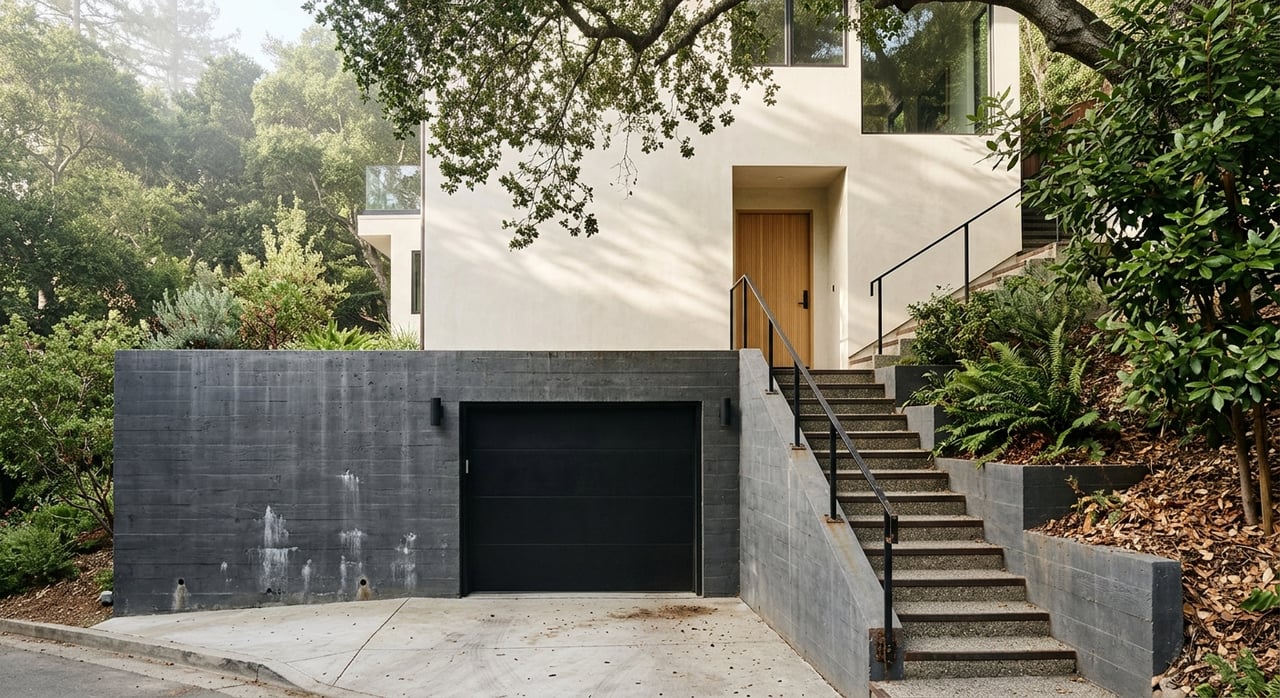
That terrain can shape daily life in ways that are easy to underestimate during a quick showing. You may want to think through how steep the driveway feels, whether street parking is realistic, how easy it will be for guests to visit, and what deliveries or move-in day might look like. Even a home you love may require a little more planning simply because of where it sits on the hill.
Lot and access matter
In Kensington, access can be part of the value equation. A home with a more manageable approach, easier parking, or simpler entry may feel meaningfully different from another home just a few blocks away.
When you tour, it helps to pay attention to:
- Street width
- Driveway grade
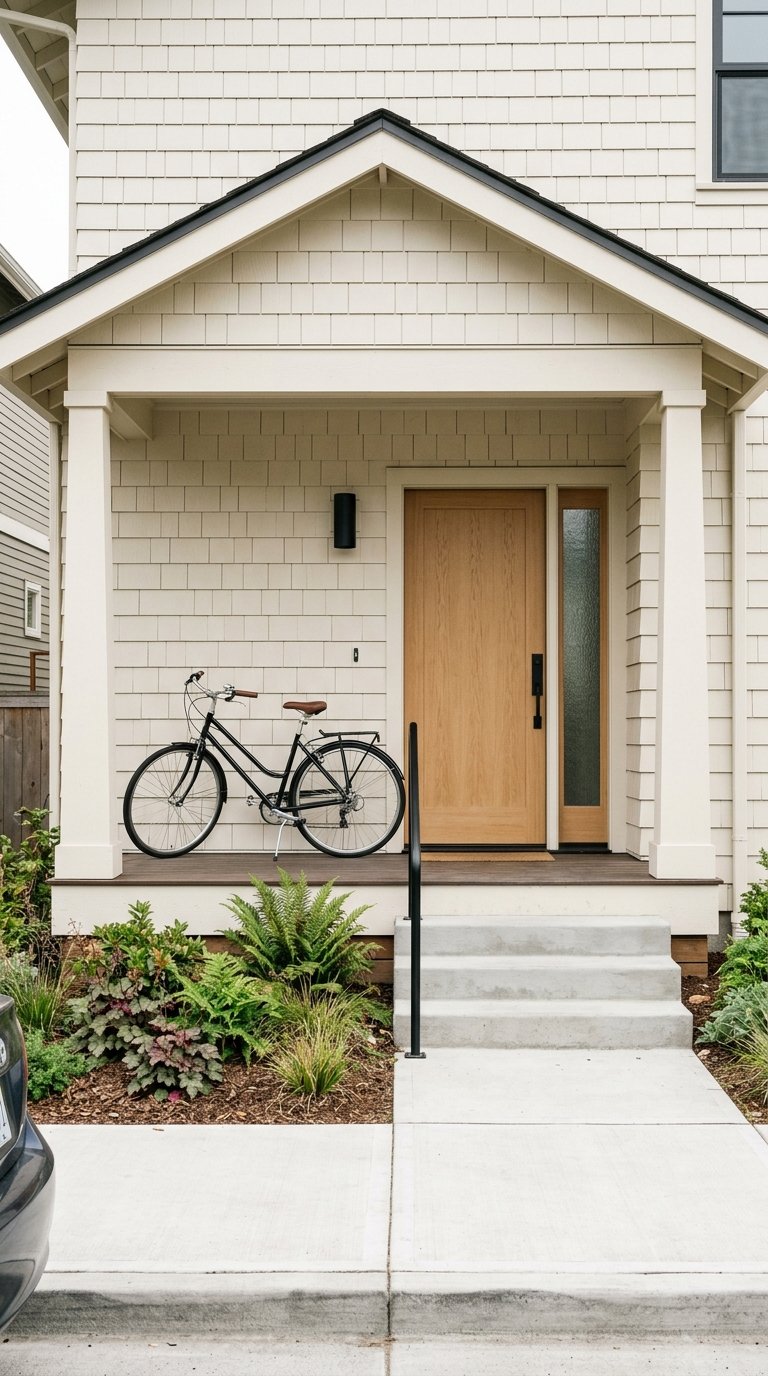
- Stair access from curb to front door
- Garage usability
- Space for guest or contractor parking
Those details may not change the charm of the house, but they absolutely affect how the home functions day to day.
Sun, fog, and wind can vary
Kensington’s hillside location also creates a real micro-climate effect. NOAA climate normals for nearby Berkeley show a mild baseline climate, with an annual mean temperature of 58.4°F and annual precipitation of 26.12 inches, while the National Weather Service explains marine-layer patterns that can affect foothill areas differently depending on elevation and exposure.
For you as a buyer, the main takeaway is simple: one block can feel sunnier, windier, or foggier than another. A house with western exposure may live differently than one tucked into a more protected setting. If possible, visit at more than one time of day so you can get a better feel for the block.
Fire Risk Is a Major Due-Diligence Item
Hillside living in Kensington also means wildfire preparedness needs to be part of your buying strategy. The Kensington Fire Protection District states that the community is in a Very High Fire Hazard Severity Zone, and district guidance emphasizes vegetation management, defensible space, and red-flag precautions.
This is not a reason to rule out the area. It is a reason to go in with clear eyes and a strong plan. During your review period, you will want to pay close attention to the condition of the roof, vents, exterior materials, landscaping, and any fire-hardening work already completed.
Ask specific fire-hardening questions
Before you move forward, it is smart to understand both the home and the insurance side of the equation. A property may be beautiful and well located, but you still want clarity on what has been done and what may still need attention.
Questions worth asking include:
- What vegetation-management work has already been completed?
- Are there any known recommendations related to defensible space?
- What is the condition of the roof and exterior openings?
- Have vents or other vulnerable areas been updated for ember resistance?
- How does insurance underwriting look for this specific property?
This is the kind of due diligence that helps you make a calm, informed decision rather than reacting late in the process.
Everyday Life in Kensington
Kensington is small, so errands and community spaces tend to cluster in a few central areas. The local service plan notes that commercial uses are concentrated along Colusa Avenue and Arlington Avenue.
Community amenities also play an important role in daily life. The district’s community center at 59 Arlington Avenue includes a main hall, lawn, amphitheater, kitchen, and parking, while the Kensington Library branch at 61 Arlington Avenue has served the town since 1922. The district also owns a 10-acre park with tennis courts, basketball courts, picnic areas, and a playground, according to the local service plan.
For buyers, that means convenience here is usually about knowing your local anchors rather than expecting a large commercial core. Kensington often feels more residential and tucked away, while still giving you access to everyday basics nearby.
Commuting From Kensington
Transit access is better than many buyers expect from a hill community. AC Transit Line 7 serves Kensington, El Cerrito, Berkeley, Richmond, and Emeryville, with connections to Berkeley BART, El Cerrito del Norte BART, Emeryville Amtrak, and Ashby BART. AC Transit Line 67 also serves Berkeley and Kensington.
On the rail side, BART notes that both El Cerrito Plaza and El Cerrito del Norte serve Kensington and nearby areas. That means your commute may be a mix of hillside driving, local bus service, and BART rather than a walk-to-train setup in the neighborhood itself.
Test the route you would really use
This is one of the most important practical steps before you buy. Do not just look at a map and assume the commute works. Kensington’s transit pattern is route-specific, and timing can matter.
If possible, test:
- Your likely drive to BART in the morning
- The bus route you would actually use most often
- Parking conditions near the home at busy hours
- The return trip in late afternoon or evening
A route that looks simple online can feel different once you do it at your real departure time.
Questions to Answer Before You Write an Offer
In Kensington, due diligence is often less about one big issue and more about how several small hillside factors work together. Before you write an offer, try to answer these questions as clearly as possible.
How steep is the approach?
The local service plan makes it clear that steep terrain and narrow roads are part of the area. You will want to know whether the driveway, stairs, and street access feel manageable for your day-to-day routine.
What work has been done for fire preparedness?
Since Kensington is in a Very High Fire Hazard Severity Zone, understanding vegetation management, defensible space, and exterior hardening is essential. This should be part of your inspection mindset from the start.
How does the block feel at different times?
Because of marine-layer effects and elevation changes, a home may feel very different in the morning than it does later in the day. Try to observe sunlight, wind, and fog exposure if you can.
Which commute route fits your life?
Kensington is served by multiple transit options, but there is no one-size-fits-all commute pattern. Your best route may depend on your schedule, workplace, and how often you plan to drive versus use transit.
Does the home reflect hillside maintenance needs?
On a hillside property, drainage, retaining walls, foundation conditions, and exterior upkeep can carry more weight than they might in a flatter neighborhood. These are not details to gloss over.
Why Kensington Appeals to Many Buyers
For the right buyer, Kensington offers a compelling mix of character homes, a tucked-in residential feel, and close access to Berkeley, El Cerrito, and the broader East Bay. It is compact, established, and distinct from flatter nearby areas in ways that many people find appealing.
The key is to buy with a plan. In a place like Kensington, the right house is not just the one with the best photos or the biggest lot. It is the one where the location, access, condition, and daily function all line up with how you actually live.
If you are considering a move in Kensington or anywhere in the Inner East Bay, working with a calm, detail-oriented guide can make the process much clearer. Spencer Mills helps buyers build a smart plan, evaluate tradeoffs, and move forward with confidence. Together, you’ve got this.
FAQs
What should buyers know about Kensington’s hillside terrain before buying?
- Buyers should pay close attention to steep streets, driveway grade, stairs, parking, and narrow-road access because these factors can shape day-to-day livability.
What should buyers know about wildfire risk in Kensington before buying?
- Kensington is in a Very High Fire Hazard Severity Zone, so you should review fire-hardening features, vegetation management, defensible space, and insurance considerations early in the process.
What should buyers know about Kensington commuting options before buying?
- Kensington commuting often involves a mix of local driving, AC Transit service, and BART access through El Cerrito Plaza or El Cerrito del Norte rather than a rail stop within the neighborhood.
What should buyers know about Kensington weather and micro-climate before buying?
- Because of elevation and marine-layer effects, sunshine, fog, wind, and temperature can vary from block to block, so it helps to visit a home at different times of day.
What should buyers know about Kensington housing stock before buying?
- Kensington is mostly a built-out single-family market, so each home tends to be highly specific in terms of lot, orientation, slope, condition, and overall function.