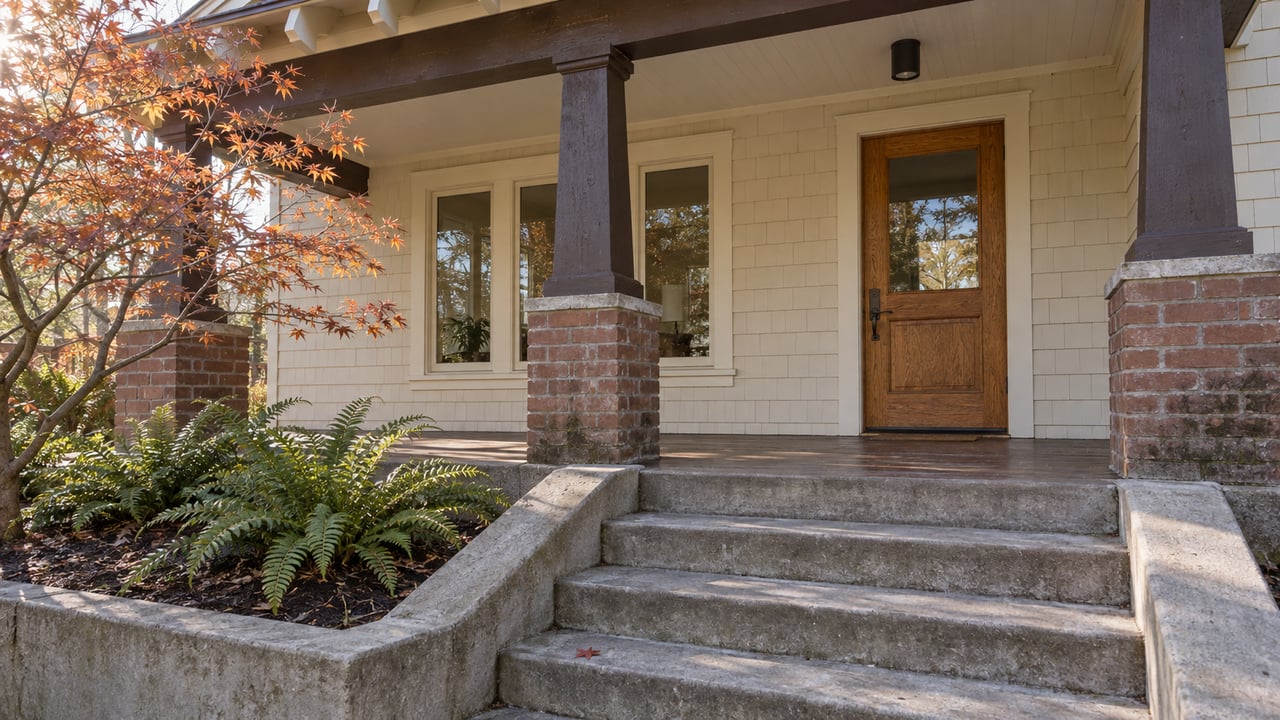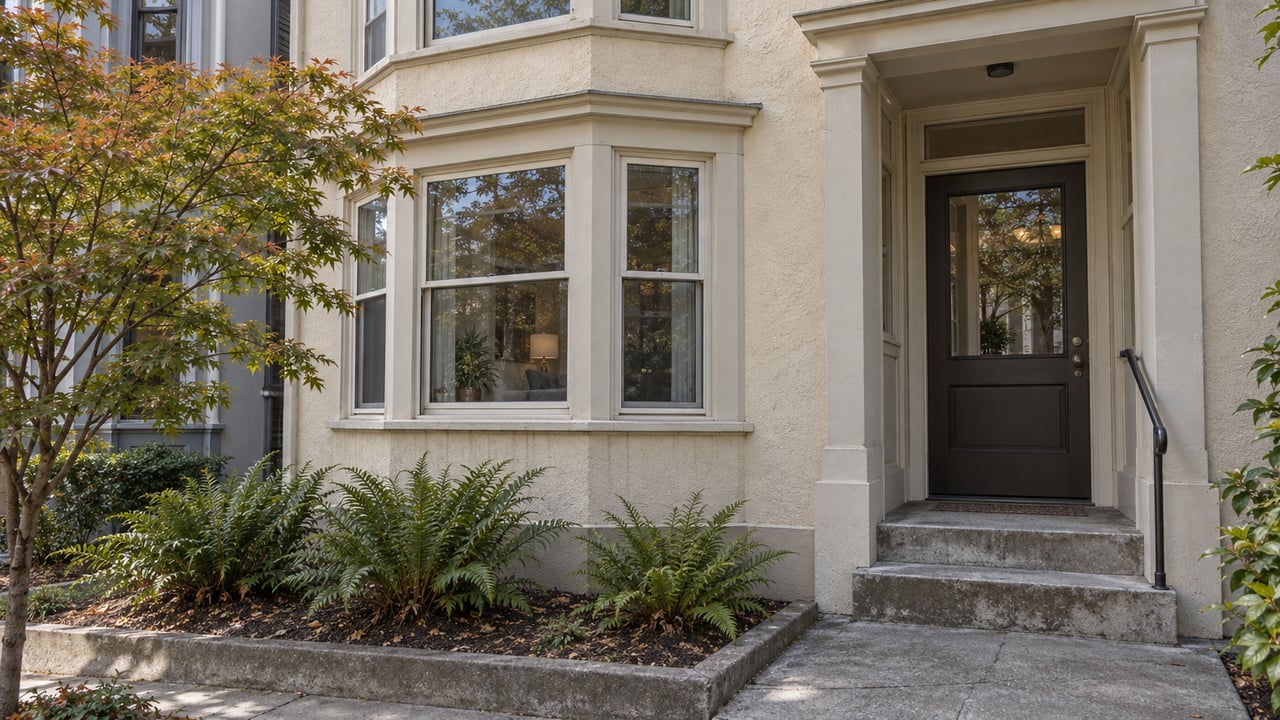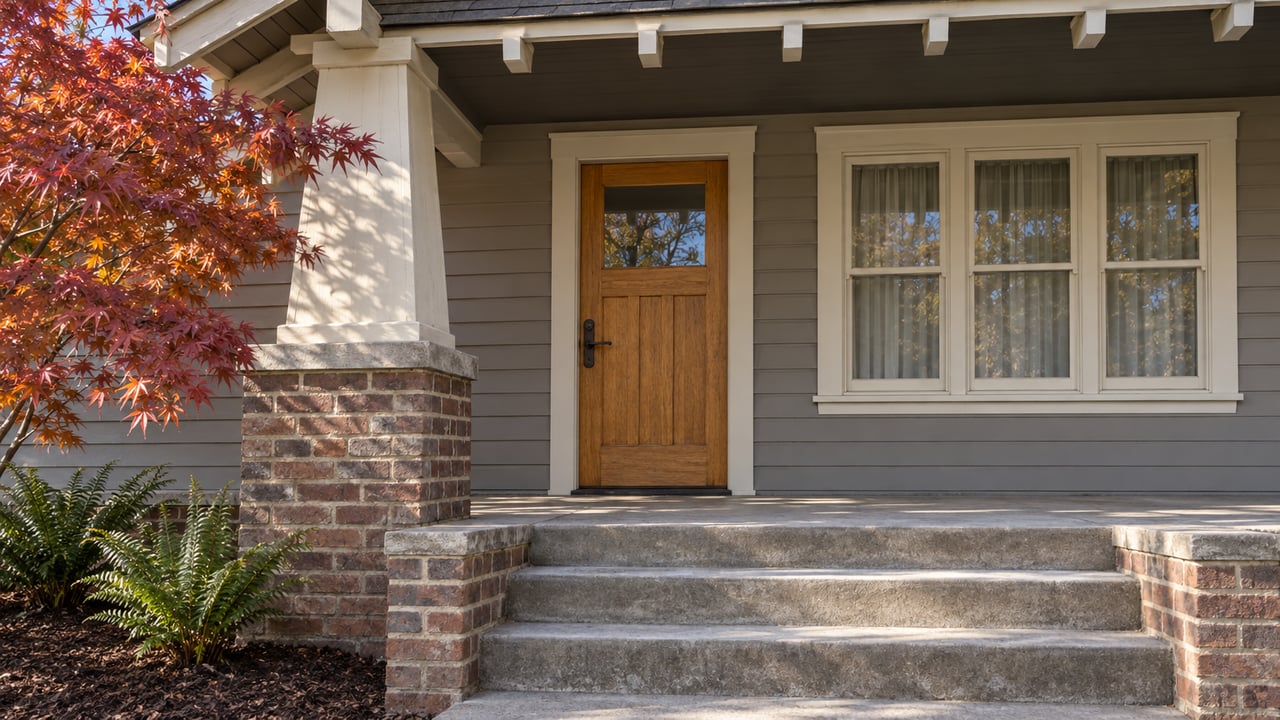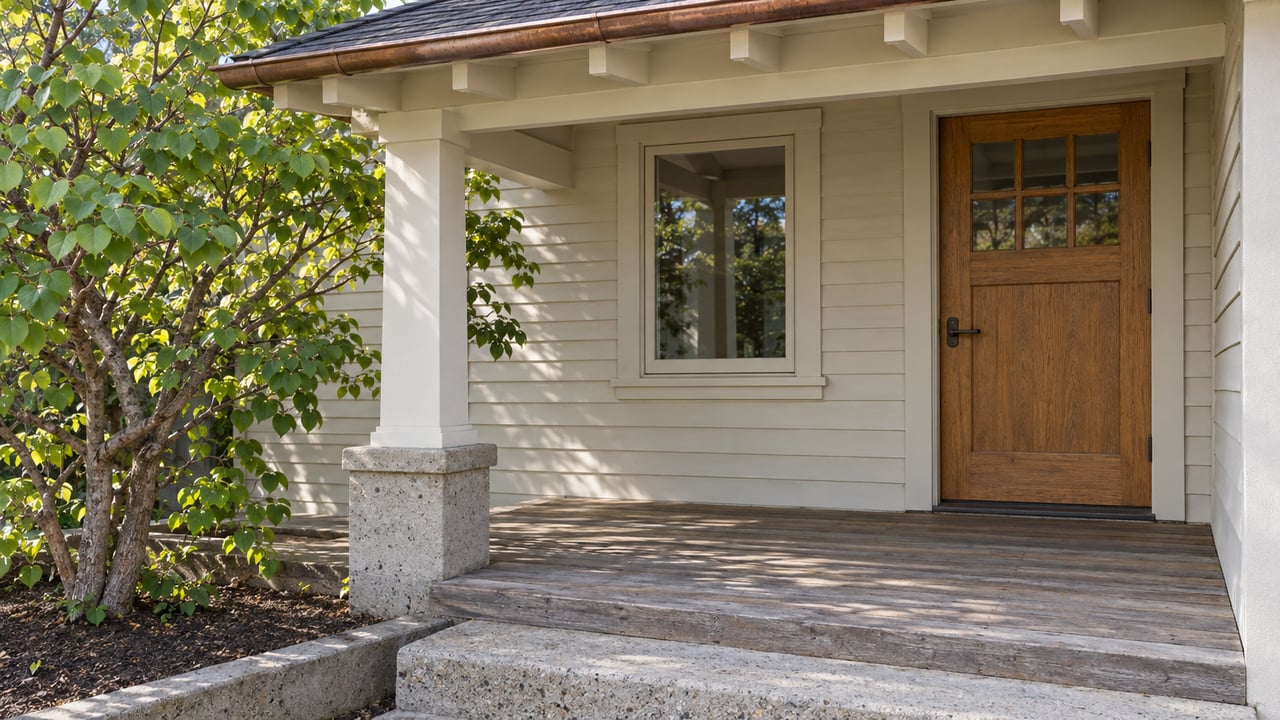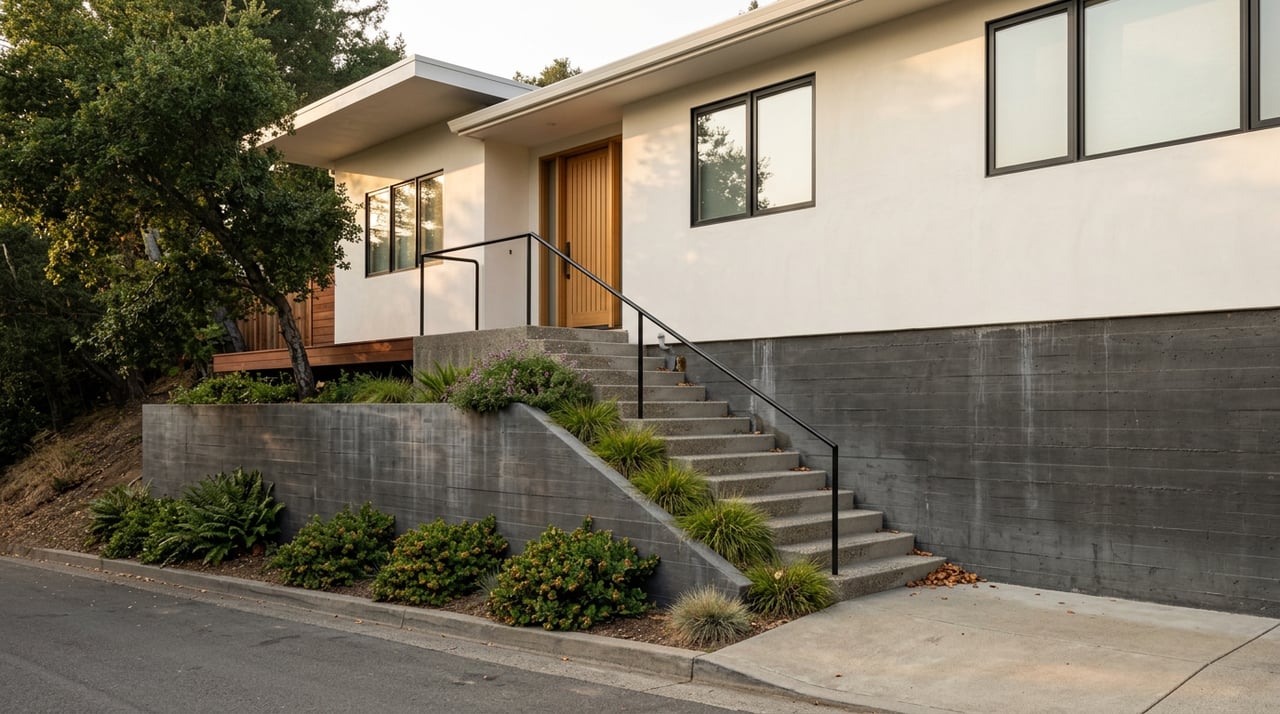
A Grizzly Peak homeowner named Jean-Luc Lamirande has a fire station a block and a half from his house. That fact did not stop his insurer, CSAA, from declining to renew his policy in 2025. The reasons cited were the slope of his lot, wildfire fuel sources on the property, and a fire-risk score from a third-party vendor he had never seen the criteria for. As Lamirande told United Policyholders, if a fire station down the street does not count for anything, most of the Berkeley Hills would fail the same test.
That gap between what a homeowner can see on their own street and what an algorithm assigns to their parcel number can affect whether a Berkeley Hills sale closes on schedule. Alongside the offer price and appraisal, insurance is one of the factors buyers and sellers may need to address early.
What Changes on October 15
The California Department of Insurance has approved a statewide FAIR Plan rate increase averaging 29.1 percent, effective on all new and renewal business starting October 15, 2026, in just under a month. That average number hides the part that matters here. Because the increase is concentrated in the wildfire portion of the premium, properties in lower-risk flatland areas may see smaller bumps or even a decrease, while properties in the hills and wildland-interface zones are likely to see the largest jumps, with some flatland policyholders seeing costs hold steady or fall even as hillside premiums climb.
That is not a one-time correction. It is the continuation of a pattern years in the making. In the wake of the January 2025 Los Angeles fires, the FAIR Plan paid out more than $900 million in claims and needed a $1 billion assessment on insurers just to keep its cash position above water heading into that year's wildfire season. Statewide, the program's residential policy count grew 151 percent between September 2022 and March 2026, while its total risk exposure jumped 234 percent to roughly $700 billion. The October rate change is the state trying to get pricing to catch up with risk the program is already carrying.
FAIR Plan Exposure Across Berkeley's Zip Codes
A Berkeleyside analysis published in February 2025 pulled the FAIR Plan's own zip-code exposure figures, and the numbers inside them tell a story the statewide averages flatten out. In the 94708 zip code, which covers the Berkeley Hills and Kensington, FAIR Plan exposure had reached $692.6 million, up 154 percent year over year. That is the number most people expect. The one that deserves more attention is 94707, the zip code for Thousand Oaks and Northbrae, neighborhoods that read as gentler and flatter than the classic hillside image. FAIR Plan policies there had risen 700 percent in a single year, one of the steepest jumps Berkeleyside found anywhere in the city.
Read side by side, those two figures highlight the insurance questions facing buyers comparing "the hills" against "just below the hills." Statewide, FAIR Plan policy counts kept climbing another 151 percent by March 2026. A buyer choosing a Northbrae bungalow over a Berkeley Hills view home should not assume that the flatter lot alone solves the insurance problem.
Why This Became a Contingency Instead of a Line Item
Most buyers still budget for insurance the way they budget for property tax: a number you plug in and move past. That approach works fine in most of the country. It does not work in a house that only qualifies for the FAIR Plan.
Latent Insure describes the FAIR Plan as covering fire, lightning, smoke, and a short list of related perils. It does not cover liability, theft, water damage, or falling objects. The standard fix is pairing it with a Difference in Conditions policy, a separate policy from a surplus-lines carrier that fills in everything the FAIR Plan leaves out. Getting both bound, priced, and accepted by a lender takes real time. A FAIR Plan submission alone typically returns in five to fifteen business days, and the DIC wrap is placed separately, on its own timeline.
For a hillside home valued north of $3 million, the combined FAIR Plan and DIC premium can run $18,000 to $28,000 a year or more. That number does not just affect what a buyer pays after closing. According to Latent Insure, lenders fold the annual premium into the monthly PITI calculation and count it against debt-to-income ratio, so a five-figure premium can shrink the loan amount a buyer qualifies for before they ever move in.
Put those two facts together and the mechanism becomes clear. Insurance in the Berkeley Hills now behaves exactly like a loan contingency or an inspection contingency: it has its own clock, its own paperwork, and its own way of killing a deal if nobody starts it early enough. The difference is that most purchase contracts do not automatically build in a clock for it. California real estate publishers have started circulating a standalone Hazard Insurance Addendum for exactly this reason, giving a buyer a defined number of days after acceptance to review the availability, cost, and conditions of coverage before deciding whether to proceed. That kind of addendum was not standard practice a decade ago. In a hillside market, it is worth asking for.
| What buyers assume | What actually happens |
|---|---|
| A quote can be obtained quickly near the end of escrow | FAIR Plan alone takes 5 to 15 business days to bind, before the DIC wrap is even placed |
| One hillside zip code is roughly as insurable as another | 94707 saw a 700 percent jump in FAIR Plan policies in a year, outpacing even 94708 |
| Premium is separate from loan qualification | Annual premium can affect the loan amount a buyer qualifies for |
What Sellers Can Do Before It Becomes the Buyer's Problem
None of this means a Berkeley Hills listing is harder to sell. It means the preparation that used to happen after an accepted offer now pays off if it happens before the home ever goes live.
Mitigation is the one lever that genuinely moves the number. The state's Safer From Wildfires program credits documented work such as a Class A roof, ember-resistant vents, and a five-foot non-combustible zone around the structure, and Berkeley FireSafe notes those are close to the same items an admitted carrier's underwriter looks for when deciding whether to write a policy instead of leaving a homeowner on the FAIR Plan. A seller who has already photographed and dated that work, and who can hand a buyer's insurance broker a packet instead of a blank page, removes a week or two of uncertainty from someone else's escrow.
It also helps to know the clock the law already gives you. California requires insurers to provide at least 75 days' written notice before a non-renewal takes effect. If a notice arrives while a home is listed or in escrow, that window is the time to shop the policy or address whatever triggered the notice, not something to discover after the fact.
The Disclosure Layer Underneath the Insurance Layer
Insurance risk and disclosure obligations describe the same hillside from two different documents. The Natural Hazard Disclosure Statement flags fire hazard severity zones and proximity to the Hayward Fault, which runs directly under large stretches of the Berkeley Hills. Steep lots commonly carry landslide history and retaining-wall considerations that a buyer's lender or insurer will eventually ask about, so a geotechnical evaluation completed and available upfront, rather than requested mid-escrow, keeps that same clock from restarting. Berkeley's building department is also active about permit enforcement, and unfinaled work on a retrofit or renovation can complicate financing and insurance placement at the same time it complicates the sale itself.
None of this is a reason to expect trouble. It is a reason to assemble the paperwork before a buyer's broker has to ask for it twice.
A Few Questions Worth Asking Before You List or Offer
How early should insurance quotes happen in a Berkeley Hills purchase? During the inspection or appraisal contingency window. Waiting until the final week of escrow turns a manageable decision into a last-minute scramble.
Does home hardening actually lower the premium, or is it just good practice? Both. Documented mitigation under the state's Safer From Wildfires program is tied directly to discounts on the wildfire portion of a policy, and it is also the same evidence an admitted carrier wants to see before agreeing to write a policy at all.
A Berkeley Hills purchase or sale can involve insurance considerations alongside price negotiations. Checking coverage early can help buyers and sellers plan the transaction.
If you are weighing a Berkeley Hills purchase or getting a hillside home ready to list, Spencer Mills can walk through what a specific property's insurance and disclosure picture looks like before you write an offer or sign a listing agreement. Reach out to build a plan for your next move in the East Bay.
This article is general information, not legal, tax or financial advice. Consult a qualified professional about your situation.