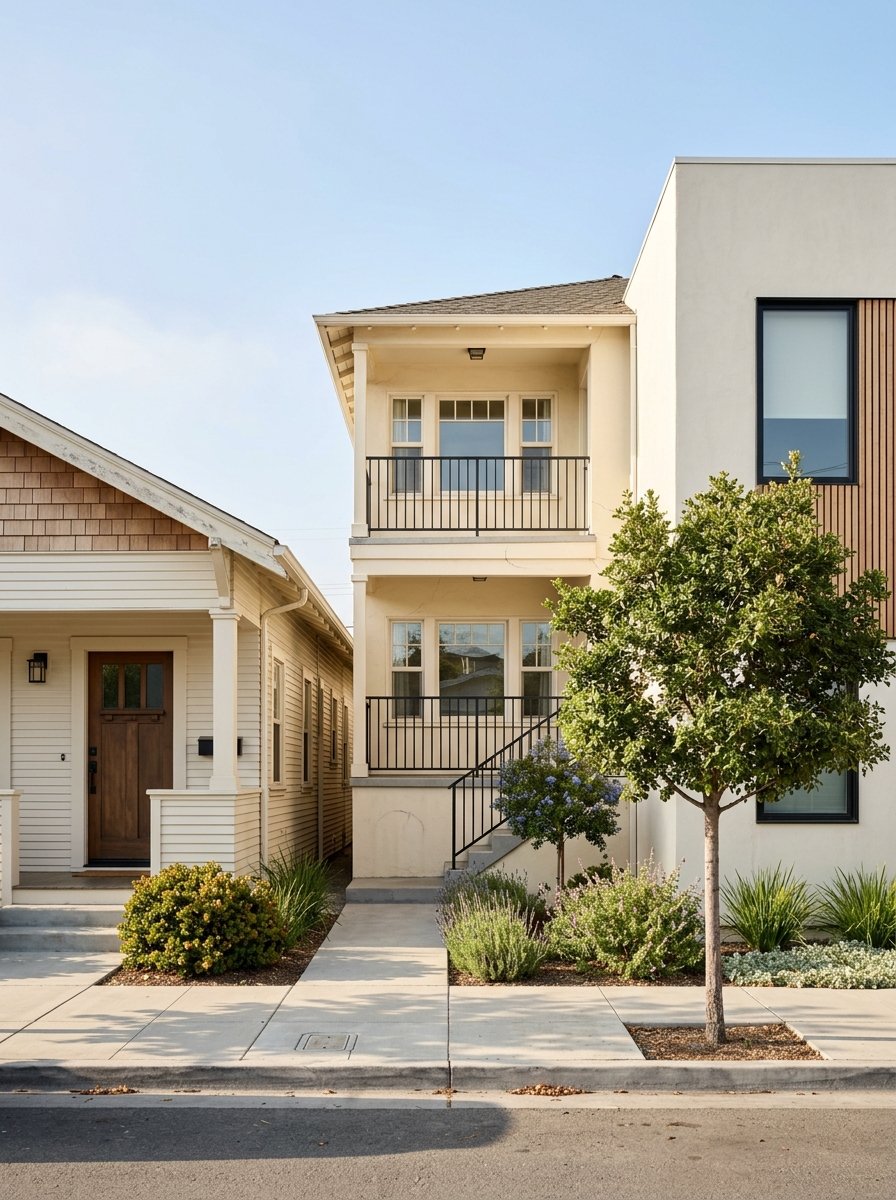
If you are searching in NOBE, one of the biggest mistakes you can make is treating it like one simple market. It is not. This area crosses Oakland, Berkeley, and Emeryville, which means the homes, pricing, and due diligence can shift faster than many buyers expect. The good news is that once you understand how the housing stock changes from block to block, you can build a smarter buying plan with fewer surprises. Let’s dive in.
Why NOBE Feels So Different
NOBE is really a cross-border housing cluster, not one uniform neighborhood market. When you look at homes here, you are often comparing different city rules, different housing types, and different ownership patterns all within a small geographic area.
That matters because the same search can include an older detached home in North Oakland, a small multifamily building near the Berkeley side, or a condo in Emeryville. If you lump them all together, your budget, inspection plan, and offer strategy can get out of sync quickly.
NOBE Includes Several Housing Types
North Oakland Has Mixed Housing
Oakland describes North Oakland as a mix of single-family homes, duplexes, triplexes, fourplexes, and multifamily housing. Its adopted housing element says these housing types can be found on almost every block in the area.
That mix gives you more options, but it also means your search needs structure. A detached home, a duplex, and a condo may all show up in the same general area, but they should not be evaluated the same way.
Berkeley Adds Older Homes and Middle Housing
Berkeley has an older housing stock, with its housing element stating that 95 percent of the city’s housing stock will be more than 30 years old by the end of the cycle and 86 percent more than 50 years old. Berkeley also adopted middle-housing zoning changes effective November 1, 2025, to encourage duplexes, triplexes, fourplexes, courtyard apartments, and other small-scale multifamily housing.
For you as a buyer, that means older properties and small multifamily options are a normal part of the search. It also means age, upkeep, and prior improvements deserve close review.
Emeryville Skews Multifamily
Emeryville looks different from Oakland and Berkeley. Its current Census profile lists 24.2 percent owner-occupied housing, and its housing element shows a stock dominated by larger multifamily buildings.
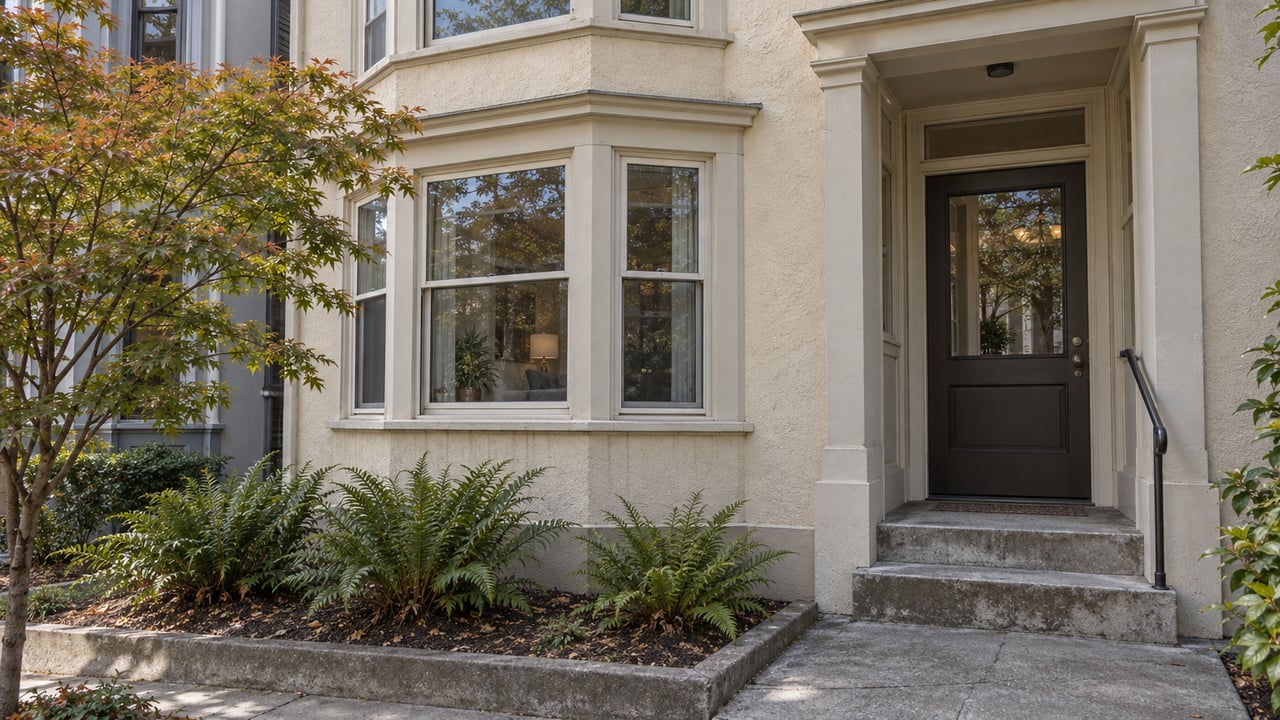
In practice, that often means buyers in Emeryville are comparing condos, townhomes, and newer multifamily product more often than detached houses. The city also encourages new construction and rehabilitation of existing housing, which helps explain why its inventory can feel newer than nearby options.
Choose Property Type First
In NOBE, the smartest first step is often choosing the type of property that fits your life and risk tolerance. Once you know whether you want a house, a small multifamily property, or a condo, the rest of your plan becomes much clearer.
This matters because price is only one part of the equation. Building age, maintenance needs, ownership structure, and city-specific rules all shape what a home really costs and how aggressive you should be.
If You Want Character and Space
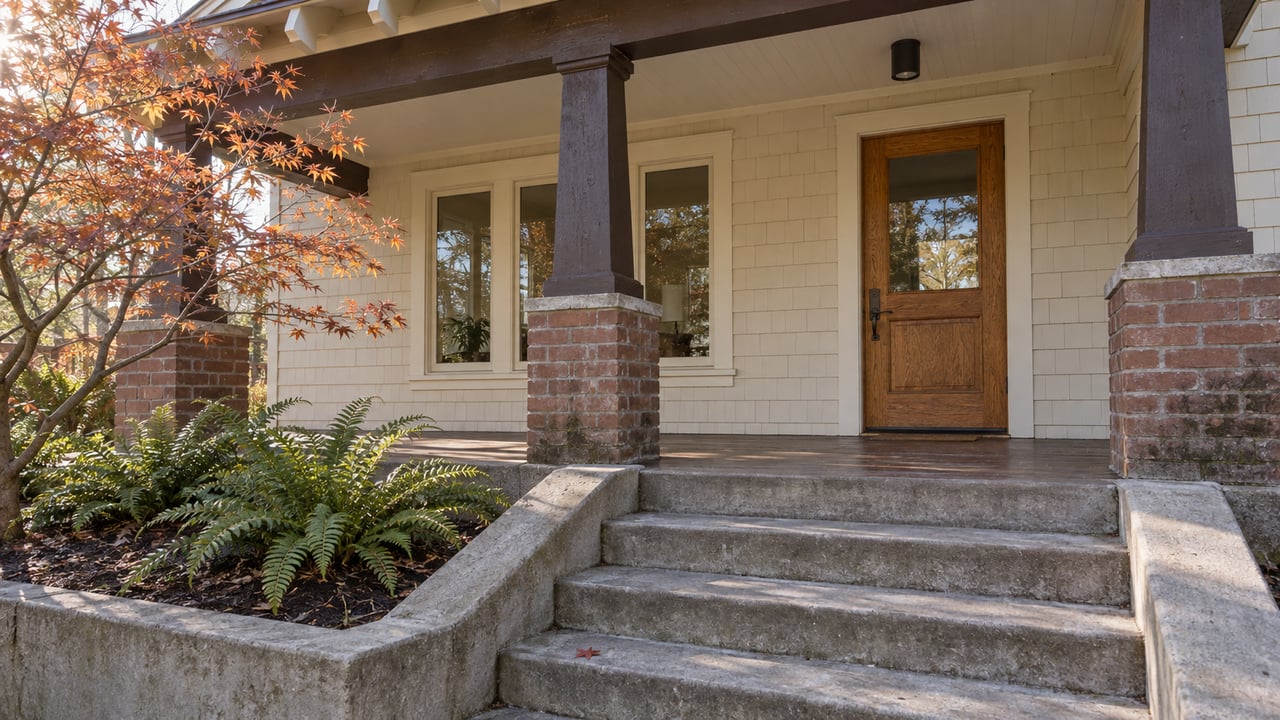
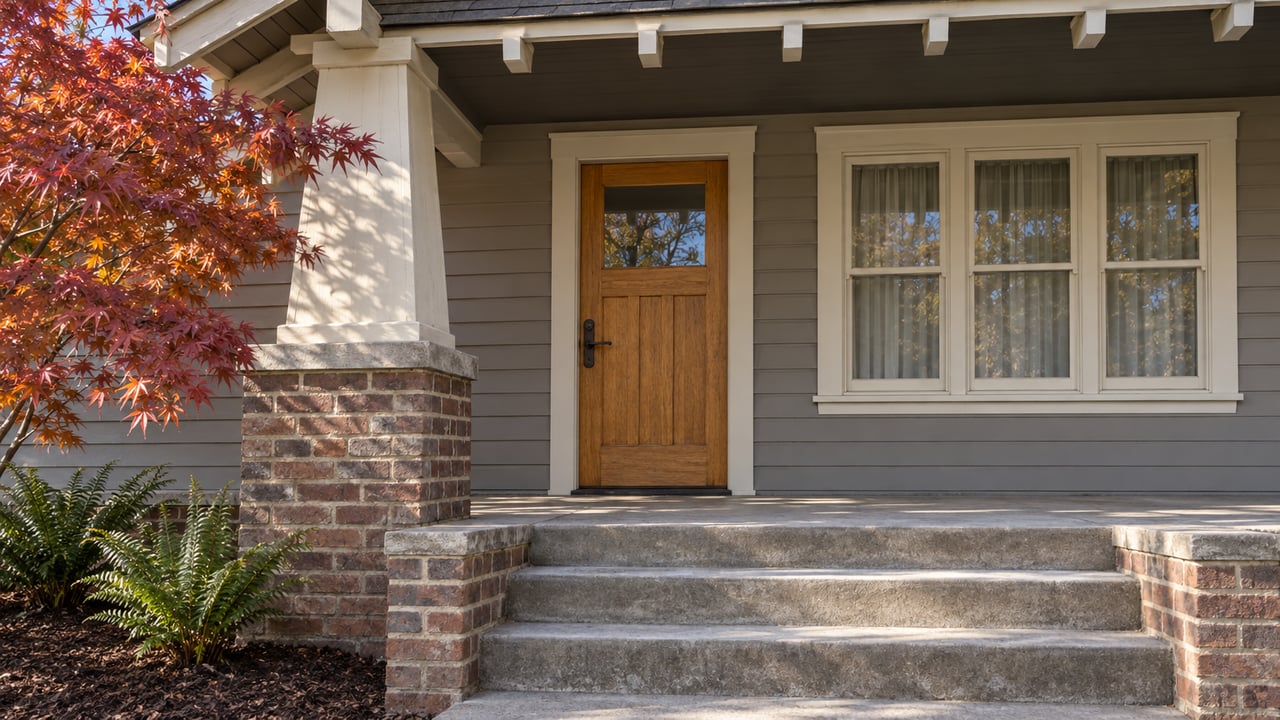
An older bungalow or historic house may appeal to you if you want architectural character, a yard, or renovation upside. This path can be a strong fit if you are comfortable with more maintenance and more due diligence.
Oakland says about 80.4 percent of the city’s housing stock was built before 1980, and Berkeley says most of its stock is decades old as well. In homes built before 1978, lead-based paint is more likely to be present, and renovations can create lead dust, so the age of the property should shape your inspection planning.
If You Want Rental Income Potential
A duplex, triplex, or fourplex may appeal to you if you want income offset or a flexible ownership setup. In NOBE, these properties are not rare edge cases. They are part of the normal housing mix.
That said, small multifamily buying requires a different lens. Tenant history, operating expenses, and local compliance issues can be just as important as the building’s appearance or list price.
If You Want Lower-Maintenance Ownership
A condo or newer Emeryville property may fit if you want less exterior maintenance and a more streamlined ownership experience. That can be appealing if you value predictability and newer systems.
But lower maintenance does not mean lower analysis. HOA dues, reserve strength, use restrictions, and special-assessment history all need to be reviewed before you lock in your budget or finalize your offer.
Price Expectations Should Match the Property
A common NOBE mistake is assuming the label alone tells you what a home should cost. It does not. Pricing here should follow property type, exact city location, age, and ownership structure.
A useful benchmark is the difference between city-level owner-occupied housing values. Berkeley’s median owner-occupied housing value is $1,413,900, while Oakland’s is $929,900. That gap helps explain why two homes that look similar on paper may land very differently depending on which side of the Berkeley or Oakland line they sit on.
For Emeryville, the low owner-occupancy rate is another clue that many buyers are comparing condos, townhomes, and multifamily-style ownership options. So if you are budgeting across all of NOBE, make sure you are comparing like with like.
Your Due Diligence Should Change by Building Type
This is where many buyers can protect themselves. In NOBE, inspection and document review should not be one-size-fits-all.
The right due diligence plan depends on whether you are buying an older house, a tenant-occupied small multifamily building, or a condo in a common-interest development. Each comes with a different risk profile.
Older Homes Need Permit and Condition Review
With older homes in Oakland and Berkeley, it is wise to verify permit history and study the condition of older systems before removing contingencies. Seller disclosures cover physical condition and potential hazards or defects, but that is only one part of the picture.
You should also pay close attention to deferred maintenance and past remodel work. In an area with an older housing stock, what happened over the last 20 to 50 years can matter as much as what the home looks like on showing day.
Small Multifamily Needs Tenant and Retrofit Review
If you are looking at a duplex, triplex, fourplex, or small apartment building, tenant occupancy and city rules become a bigger part of the analysis. Oakland’s mandatory soft-story program applies to certain residential buildings built before 1991 with five or more dwelling units and a vulnerable lower story.
Berkeley also requires retrofits for certain unreinforced masonry or soft-story buildings with five or more units. On top of that, Berkeley’s rent board says most multi-unit properties built before June 1980 are covered by rent control and registration, so buyers should confirm local status and operating details early.
Condos Need HOA Review
For condos and other common-interest properties, your monthly cost is not just your mortgage. HOA dues are usually paid separately, and they can range from a few hundred dollars to more than $1,000 a month.
That is why HOA review is a core part of the buying plan. Before you finalize an offer, review the HOA budget, reserve levels, CC&Rs, public report, any special-assessment history, and any use or rental restrictions that could affect how you live in or hold the property.
Offer Terms Should Match the Risk
In a competitive market, buyers often focus on price first. In NOBE, a better strategy is to match your offer terms to the building’s actual risk profile.
An older detached home may need more time for inspections, permit review, and negotiating repairs or credits. A condo may need more time for HOA document review. A small multifamily purchase may need extra attention to tenants, retrofit compliance, and operating costs.
That does not mean you cannot write a strong offer. It means the strongest offer is one that is thoughtful, realistic, and aligned with the property you are buying.
A Simple NOBE Buying Framework
If you want to stay grounded during your search, use this sequence:
- Choose the property type first. Decide whether you want a house, small multifamily property, or condo.
- Confirm the exact city. Oakland, Berkeley, and Emeryville can bring different housing patterns and rules.
- Set your real budget. Include likely maintenance, HOA costs, or operating expenses.
- Pull documents early. Review disclosures, permit history, and any retrofit records as soon as possible.
- Match contingencies to the asset. Build inspection and review timelines around the actual property, not just the competition.
This approach helps you avoid comparing homes that look similar but carry very different responsibilities. It also gives you a clearer way to decide when to push and when to slow down.
What This Means for Your Search
NOBE offers variety, which is part of its appeal. But that variety works best for you when you build your plan around the housing stock, not just the map.
If you choose the property type first, then shape your budget, inspections, and offer terms around that choice, you will make cleaner decisions and reduce the odds of expensive surprises. That is especially important in a market where an older bungalow, a duplex, and a condo can all compete for your attention in the same weekend.
If you want a clear plan for buying in NOBE or anywhere in the Inner East Bay, Spencer Mills can help you sort the options, understand the tradeoffs, and move forward with confidence.
FAQs
What does NOBE mean for East Bay homebuyers?
- NOBE refers to the North Oakland, Berkeley, and Emeryville area, and for buyers it functions as several micro-markets with different housing types, pricing patterns, and city-specific considerations.
How should buyers compare home prices in NOBE?
- Buyers should compare prices based on property type, exact city location, building age, and ownership structure rather than relying on the NOBE label alone.
What should buyers inspect in older NOBE homes?
- Buyers should closely review seller disclosures, permit history, older systems, deferred maintenance, past remodel work, and potential lead-related concerns in homes built before 1978.
What should buyers review before buying a NOBE condo?
- Buyers should review HOA dues, the HOA budget, reserve levels, CC&Rs, the public report, special-assessment history, and any use or rental restrictions.
What should buyers verify in a NOBE duplex or fourplex?
- Buyers should verify tenant history, operating expenses, local rent-related rules where applicable, and whether any required retrofit compliance applies to the building.
Why do offer terms matter so much in NOBE real estate?
- Offer terms matter because different property types carry different risks, so inspection timing, document review, and contingency strategy should be tailored to the building you are buying.