What makes a Berkeley Hills home feel so different from a home just a few minutes away on flatter ground? In 94708, architecture and daily life are tightly linked to the slope, the views, and the realities of living on winding hillside streets. If you are trying to figure out which style fits how you actually want to live, this guide will help you compare the main architectural types, the tradeoffs that come with each, and what to pay attention to before you buy. Let’s dive in.
Why Berkeley Hills homes live differently
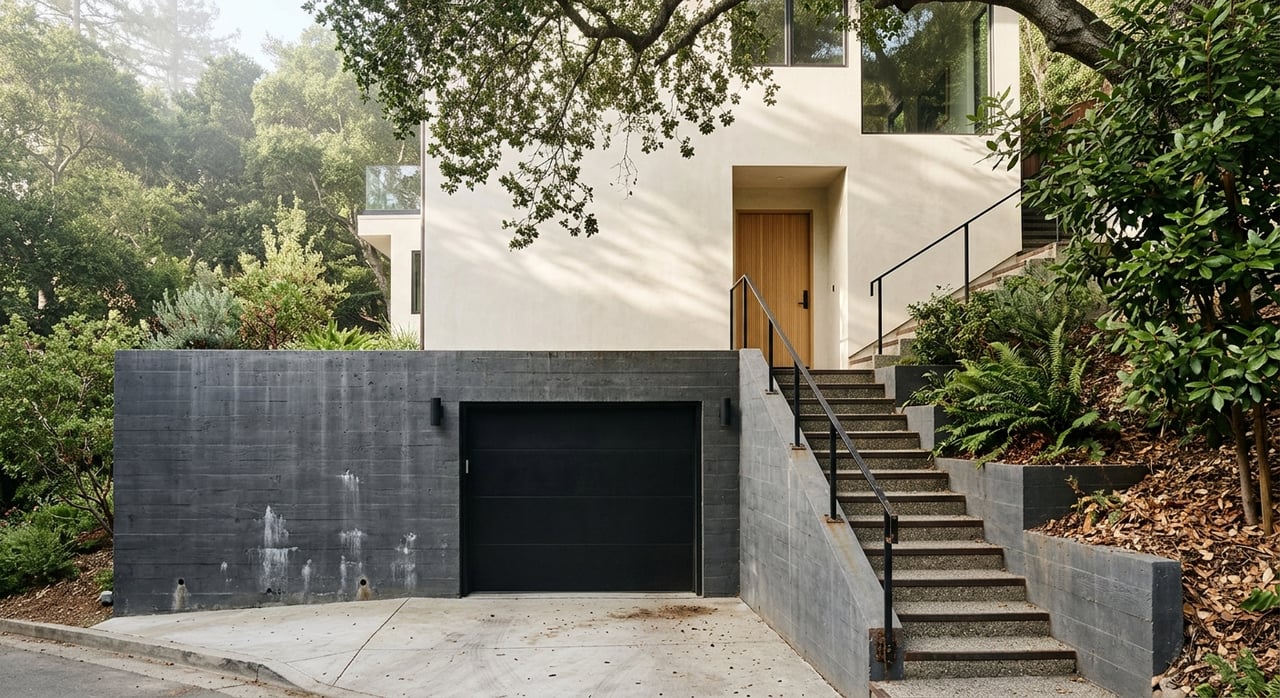
In the Berkeley Hills, the site shapes almost everything. Homes sit along steep terrain that rises to roughly 1,000 feet, and that changes how houses are designed, how outdoor space is used, and how you move through the property day to day.
That same setting that creates sweeping light and views can also mean steep driveways, limited parking, and more upkeep around drainage and vegetation. Berkeley also advises hills residents to leave early during Extreme Fire Weather, and local transportation research notes that narrow, winding streets and limited access can affect daily mobility and emergency response.
So when you look at a home in the Hills, you are not just choosing a style. You are choosing a lived experience shaped by the land.
Brown shingle and Bay Area Tradition
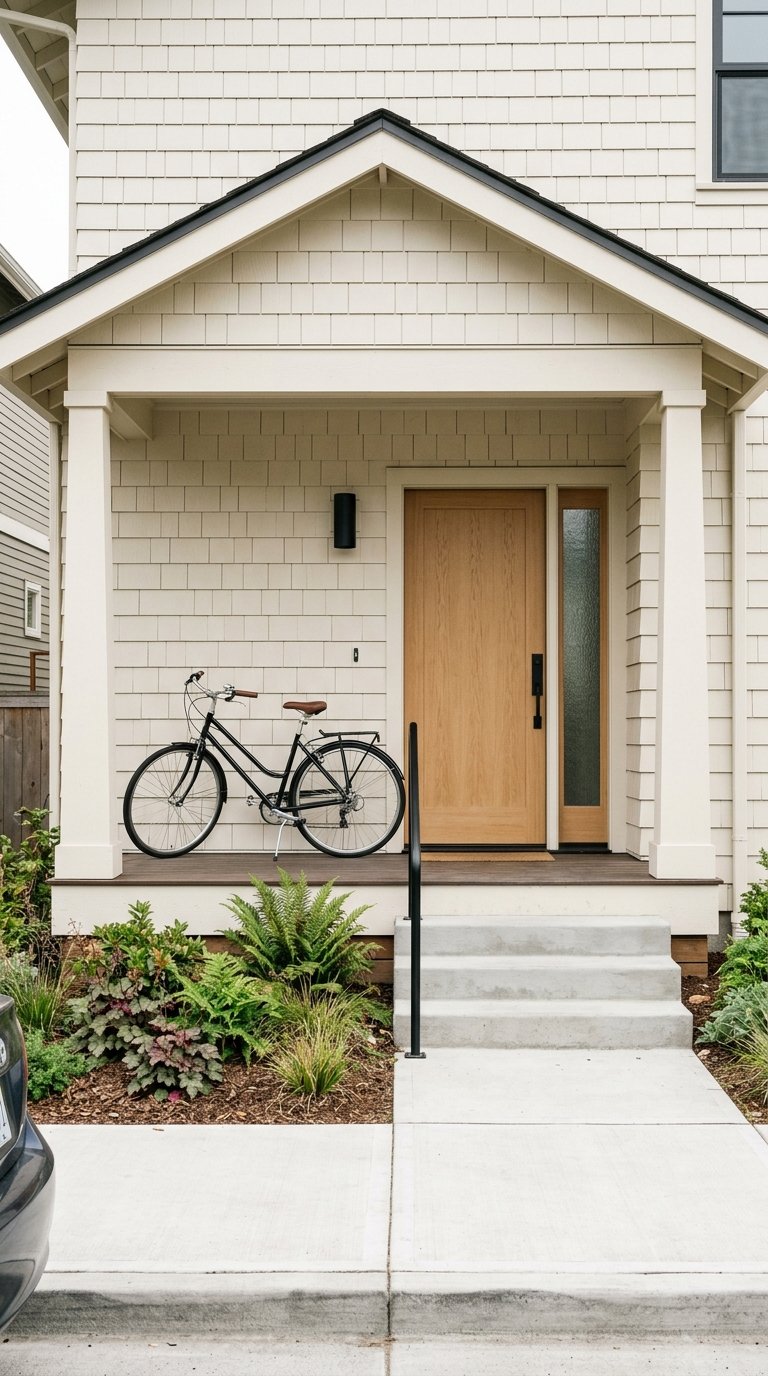
Brown shingle and related Arts and Crafts homes are some of the clearest signatures of Berkeley hillside architecture. Early designers like Bernard Maybeck helped define this local look with unfinished redwood, exposed rafters, and homes meant to sit in harmony with the landscape.
These houses often feel warm, layered, and deeply tied to the site. Instead of one large flat yard, you are more likely to find porches, garden paths, stairs, and terraced outdoor areas that unfold as you move through the property.
How these homes feel day to day
If you like character, texture, and a home that reveals itself room by room, this style often delivers. The experience tends to feel intimate rather than expansive, with strong connections to wood, greenery, and the contours of the hillside.
That can be especially appealing if you want a house with a strong sense of place. In Berkeley, this style is closely connected to the idea of building with nature rather than flattening or fighting the site.
What to watch for
The tradeoff is usually upkeep. Wood exteriors, mature landscaping, and hillside conditions can require more attention over time, and in higher-risk hill areas, Berkeley’s wildfire rules require defensible space and fire-resistant materials in certain situations.
For many buyers, the question is simple: do you want architectural charm enough to take on the extra maintenance that often comes with it?
Midcentury modern in the Hills
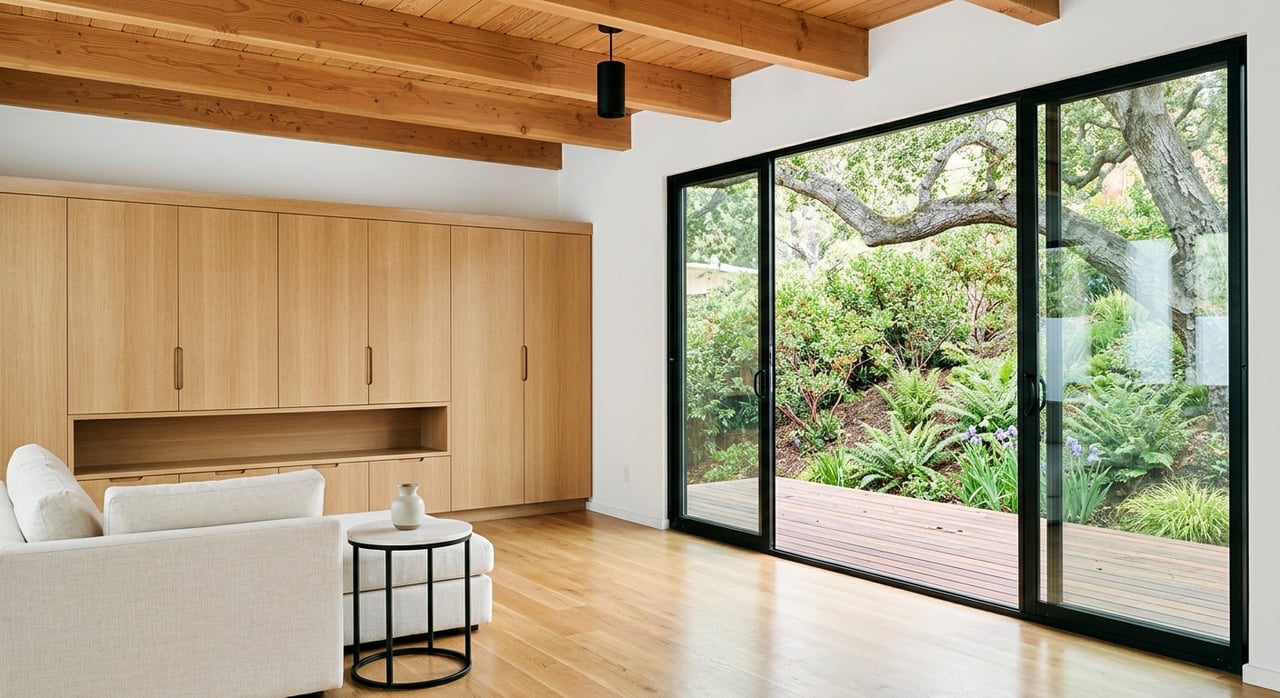
If you picture glass, light, views, and easy entertaining flow, you are probably picturing a Berkeley Hills midcentury modern. Local examples highlight open-plan post-and-beam design, broad outlooks, and a strong indoor-outdoor connection that became a hallmark of California modernism.
These homes often make the most immediate impression. Giant windows, sliding glass doors, and open living areas can make even a modest footprint feel airy and social.
Why buyers love the layout
Midcentury homes usually shine when you want flexible public space. They often work well for hosting, working from home at least part of the day, or simply enjoying a main living level that feels visually connected to the outdoors.
This is often the style that best captures the Berkeley Hills promise of light and view. If your priority is openness and a casual flow, midcentury homes tend to stand out.
The common tradeoff
That same openness can mean fewer hidden places for storage. Because many midcentury homes prioritize clean lines and visual simplicity, you may need to think more carefully about closets, utility space, and where everyday gear will actually go.
That does not make them less functional. It just means you should evaluate how the house works for your real routines, not only how it looks on first impression.
Traditional hillside homes
Not every older Berkeley Hills home fits neatly into one architectural label. You will also find a mix of Craftsman, Mediterranean-inspired, half-timbered, and other early 20th-century hillside houses.
What ties them together is not one exact style, but the way they respond to the hill. Many were designed to sit with the slope, using retaining walls, steps, small terraces, and framed outlooks instead of trying to create one flat, uninterrupted environment.
How traditional homes usually live
These homes often feel more room-by-room than open-plan. If you like clear separation between living spaces, or you prefer a more classic domestic rhythm, a traditional hillside home may feel more natural than a glassy modern layout.
Outdoor space also tends to be more layered than broad. You may have several distinct garden moments rather than one large backyard, which can feel beautiful and memorable if that matches how you like to use a home.
Practical ownership notes
Older hillside homes often combine wood materials, mature planting, and slope-related site conditions. That can mean more hands-on maintenance, especially around landscaping, drainage, and fire-aware upkeep.
Berkeley’s wildfire guidance makes those responsibilities practical, not abstract. Cleared roofs and gutters, defensible space, and thoughtful landscaping matter regardless of the home’s style.
Contemporary rebuilds and newer infill
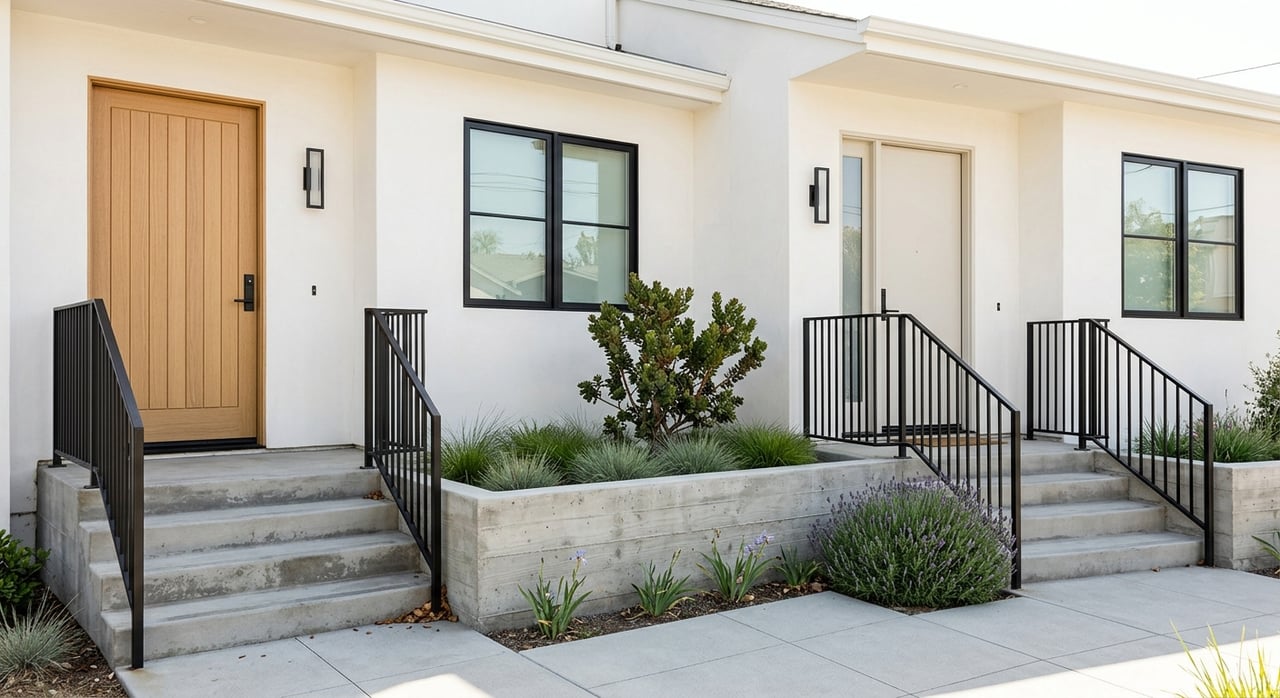
Contemporary homes in the Berkeley Hills tend to reflect a different set of priorities. Recent projects show stacked or shifted volumes, strong glazing, and floor plans organized more deliberately around storage, work areas, and outdoor access.
In many cases, these homes are designed to solve modern life more directly. You may see entry zones with mud space, dedicated offices, more intentional closet planning, and decks or gardens that work as part of everyday living.
Why newer homes appeal
If you want a house that supports today’s routines, contemporary rebuilds often have an edge. They can blend open social spaces with better separation for work, privacy, and utility needs.
That can be especially useful if you are balancing remote work, frequent guests, or a household that needs more flexible zones. In design terms, these homes often borrow the light and openness of midcentury living while improving functional planning.
Why hill rebuilds are different
In Berkeley, newer work in the Hills is also shaped by specific fire-safety and permitting constraints. The city’s Middle Housing zoning rules apply broadly across residential neighborhoods, but they do not apply in the high fire hazard areas of the Berkeley Hills.
That means a rebuild in the Hills may follow a more specialized path than a similar project elsewhere in Berkeley. If you are considering newer construction or a major renovation candidate, local rules matter.
How to compare styles by lifestyle
When buyers weigh Berkeley Hills homes, the decision usually comes down to a few everyday priorities.
Best for light
Midcentury modern and contemporary homes usually lead on daylight. Their design language emphasizes windows, views, and open interiors, while older hillside homes often feel more filtered and enclosed.
Best for hosting
Midcentury and contemporary homes are usually the strongest fit if you want easy social flow. Open public spaces and stronger indoor-outdoor connections tend to make entertaining feel more natural.
Best for character
Brown shingle, Bay Area Tradition, and other traditional hillside homes often deliver the richest sense of architectural identity. If you want warmth, craftsmanship, and a house that feels unmistakably Berkeley, these styles are often the first place to look.
Best for storage and daily function
Contemporary homes usually have the advantage here. Because newer work can plan around mud areas, offices, closets, and utility space from the start, it often supports modern routines more directly.
What to inspect beyond style
In the Berkeley Hills, aesthetics are only part of the story. A beautiful home still needs to work well on its site.
Before you get too attached to a style, pay close attention to:
- Slope and how the home sits on the lot
- Street access and ease of entry
- Parking and driveway usability
- Drainage and water management
- Tree and vegetation maintenance
- Wildfire hardening and defensible space requirements
- Roof and gutter clearing needs
- How outdoor spaces are terraced or stepped
These details affect both your day-to-day experience and your long-term ownership costs. In the Hills, they are not side issues. They are central to how the home lives.
Which style feels most Berkeley?
If you want the shortest answer, brown shingle and related Bay Area Tradition homes are probably the most distinctly Berkeley. They are rooted in the city’s early hillside architecture and in the local idea that homes should respond to nature, not overpower it.
But the best fit for you depends on how you want to live. Some buyers want layered character and garden paths. Others want bright open gathering space. Others want a more turnkey layout with better storage and work-from-home flexibility.
The right move is not picking the “best” architecture on paper. It is matching the house to your routines, your tolerance for upkeep, and the way you want the property to function every day.
If you are weighing homes in the Berkeley Hills, a clear plan makes a big difference. From architectural fit to site realities, the goal is to look past first impressions and choose a home that works for the way you actually live. When you are ready to talk through the options, Spencer Mills is here to help you build a smart, steady plan for your next move in the East Bay.
FAQs
What architectural style is most common to Berkeley Hills identity?
- Brown shingle and other Bay Area Tradition homes are the clearest local signature because Berkeley’s early hillside architecture was shaped by designers and planners focused on building in harmony with nature.
What Berkeley Hills home style is best for entertaining?
- Midcentury modern and many contemporary homes usually offer the most open social spaces, strongest light, and easiest indoor-outdoor flow for hosting.
What Berkeley Hills home style usually has the best storage?
- Contemporary rebuilds and newer homes often have the advantage because storage, mud areas, offices, and utility spaces can be designed into the plan from the start.
What should buyers inspect in Berkeley Hills homes besides design?
- Pay close attention to slope, access, parking, drainage, vegetation, tree maintenance, and wildfire compliance, since these factors strongly affect daily life and upkeep.
Do Berkeley Hills rebuilds follow the same zoning rules as the rest of Berkeley?
- Not always. Berkeley says its Middle Housing zoning rules do not apply in the high fire hazard areas of the Berkeley Hills, so new work there can be shaped by different fire-safety and permitting constraints.
How is outdoor space different in Berkeley Hills homes?
- Outdoor space in the Hills often takes the form of terraces, decks, courtyards, and layered gardens rather than one large flat lawn, because the slope is usually worked with rather than leveled out.